One electrical spark can shut down an entire operation in seconds. That’s exactly why the disruption at Lagos airport should get every facility manager, property owner, and operations team paying attention.
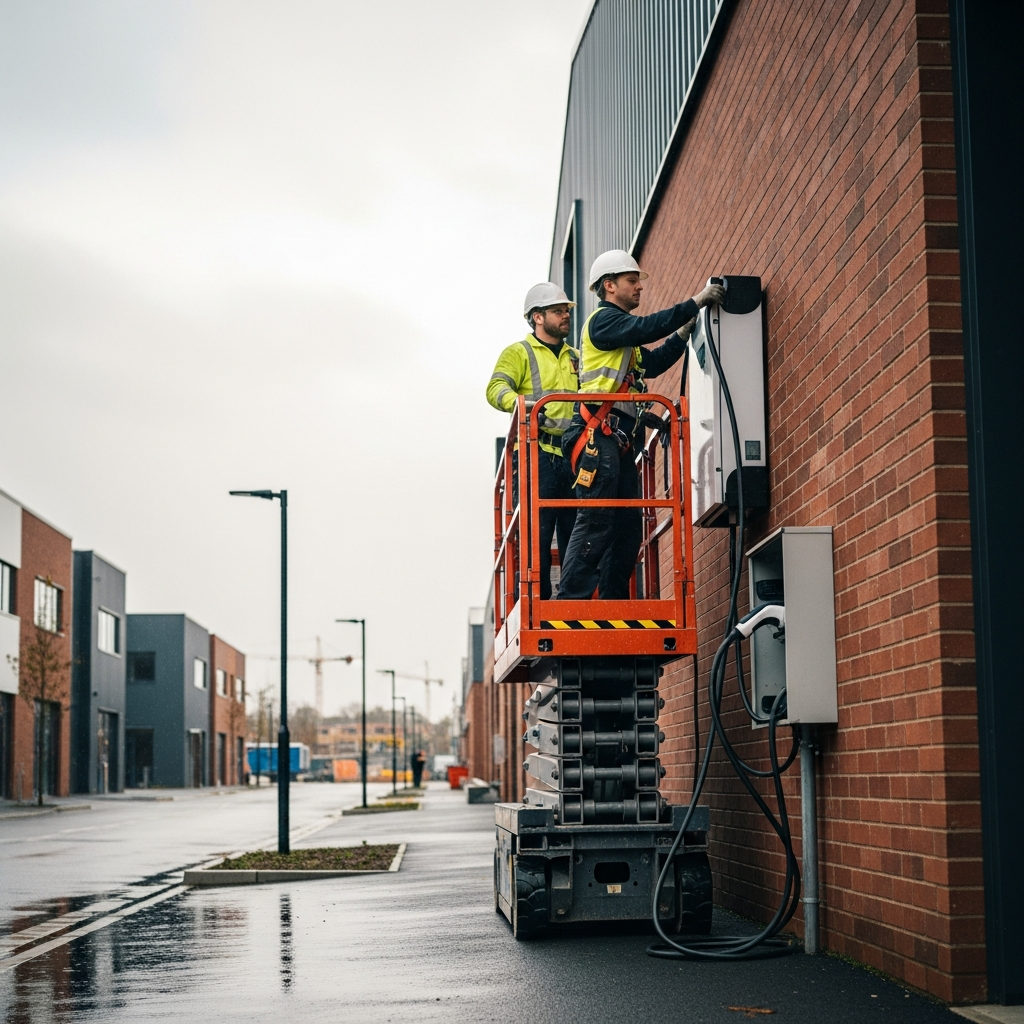
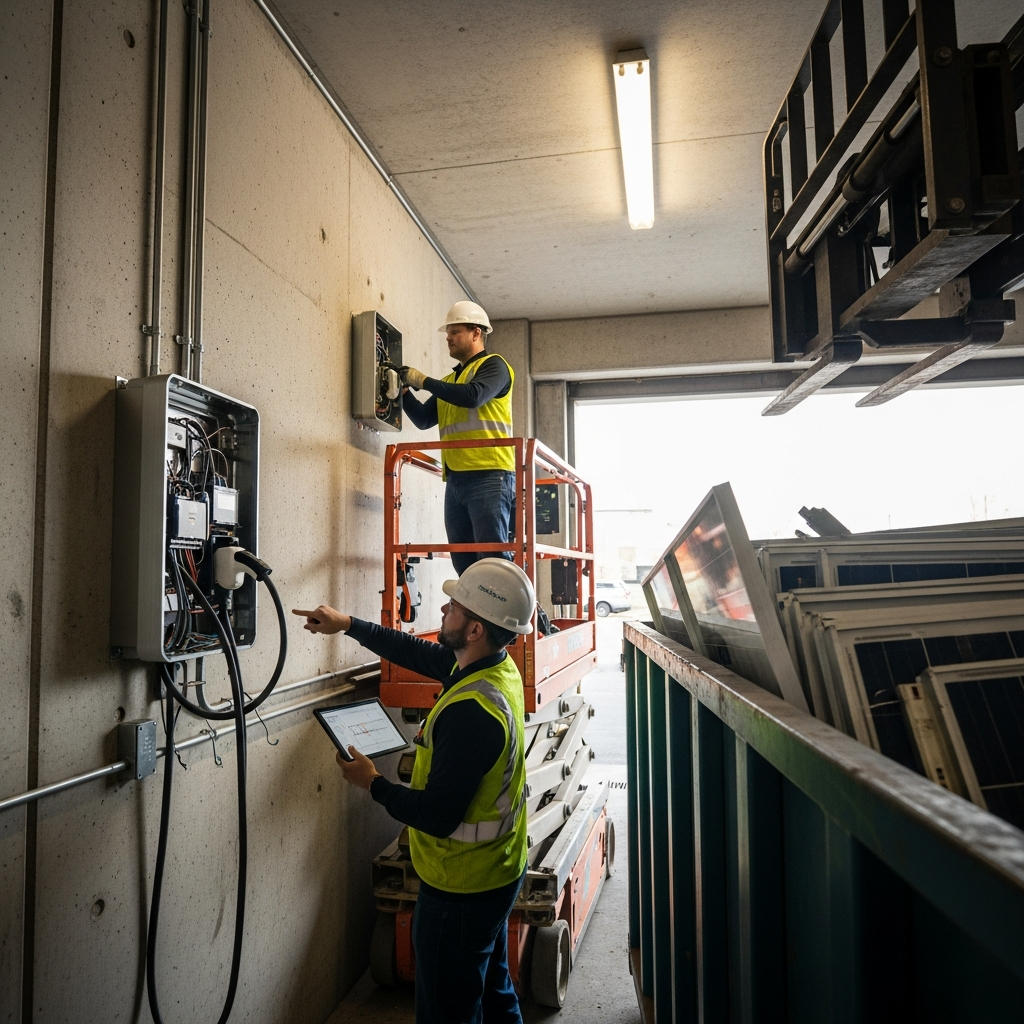
When an electrical fault happens in a major commercial setting, the damage goes far beyond a flicker of the lights. Airports, warehouses, hospitals, office buildings, retail centers, and manufacturing facilities all depend on stable power to keep people safe and business moving. A single spark can trigger equipment shutdowns, trip protective systems, damage panels, interrupt communications, and create serious fire risk.
In commercial buildings, these problems often start with aging infrastructure, overloaded circuits, loose connections, poor maintenance, or panels that are no longer matched to the building’s demands. The bigger the facility, the bigger the impact. Lost productivity, tenant complaints, spoiled inventory, delayed services, and emergency repair costs can pile up fast.
Even smaller properties are not immune. Residential buildings can also face danger from hidden electrical issues, especially when systems are outdated or modified without proper planning. But in commercial spaces, the stakes are usually much higher because more people, more equipment, and more revenue are involved.
The real lesson is simple: electrical problems rarely appear without warning. Heat, buzzing, tripped breakers, and inconsistent power are not minor issues. They are signs that something is already going wrong.
steelcityelectricfl.com/commercial-industrial-electrical-repair-blog