A property manager called me last spring about a retail strip off Cortez. Lights flickering across the units, and the bakery on the end couldn’t keep its ovens steady mid-shift. The tenant was already drafting an exit letter. Everyone pointed at the panel.
It wasn’t the panel. The underground service feed running from the transformer to the building had taken on moisture through a cracked conduit, and voltage was sagging every time load picked up.
seattlepi.com, “Passengers stranded in moving traffic after robotaxi outage in China’s Wuhan” covers a software failure, but the same principle shows up underground. When buried infrastructure fails quietly, the people upstairs feel it first and they rarely understand why.
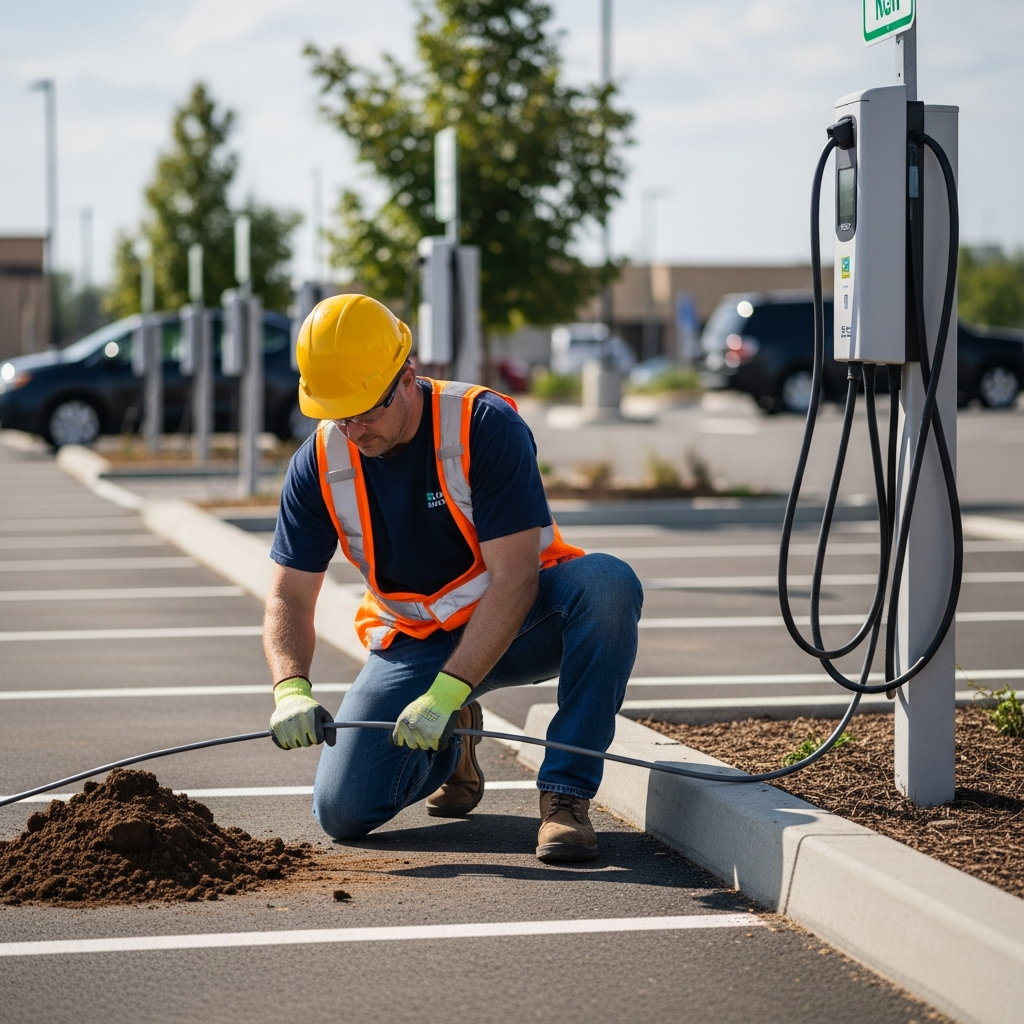
Underground utility work isn’t glamorous. It’s trenching across a parking lot, coordinating with the utility, pulling secondary feeders through proper PVC or rigid runs, setting handholes where they belong instead of where it’s easy. Done right, nobody notices it for thirty years. Done cheap, you get callbacks, voltage drop and tenants drafting exit letters.
In Bradenton and Sarasota, sandy soil shifts. Old direct-burial cable from the 80s is still out there, cooking under asphalt with no conduit around it. When a tenant complains about flickering, I’d rather rule out the feeder before touching a single breaker inside.
That’s the part most people skip.
FAQs
How do I know if my flickering is an underground issue and not interior wiring?
If it gets worse during heat, rain or heavy load across multiple tenants, the feed coming in is suspect. A load test at the service point usually tells the story.
Can underground conduit be replaced without tearing up the whole parking lot?
Often yes. Directional boring lets us run new conduit under existing pavement with minimal surface damage.
How long does a commercial underground install take?
Depends on length of run, utility coordination and permit timing. A typical strip center feeder replacement runs one to two weeks of active site work.
Is this something a tenant should pay for or the landlord?
Service entrance and underground feeders are almost always landlord responsibility. Worth confirming in the lease before the argument starts.
steelcityelectricfl.com/Electrical Repair Services