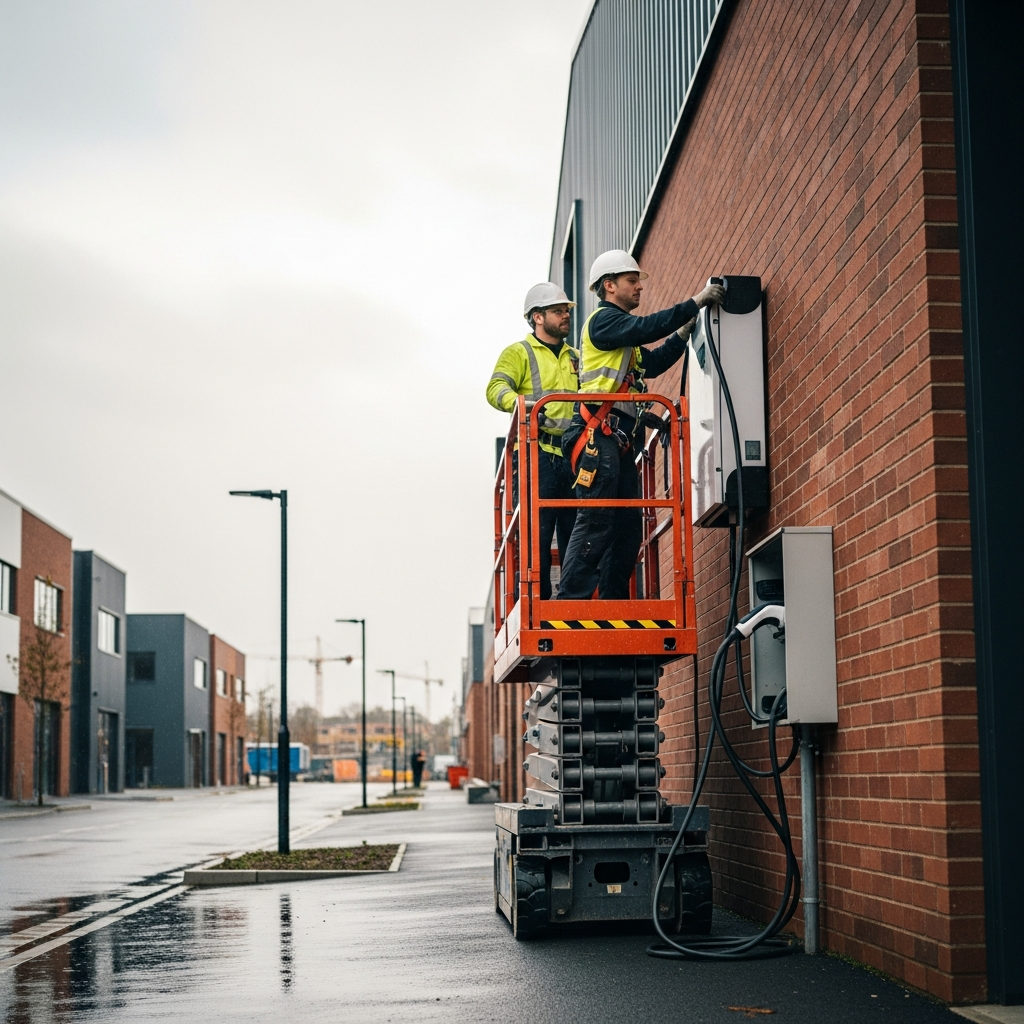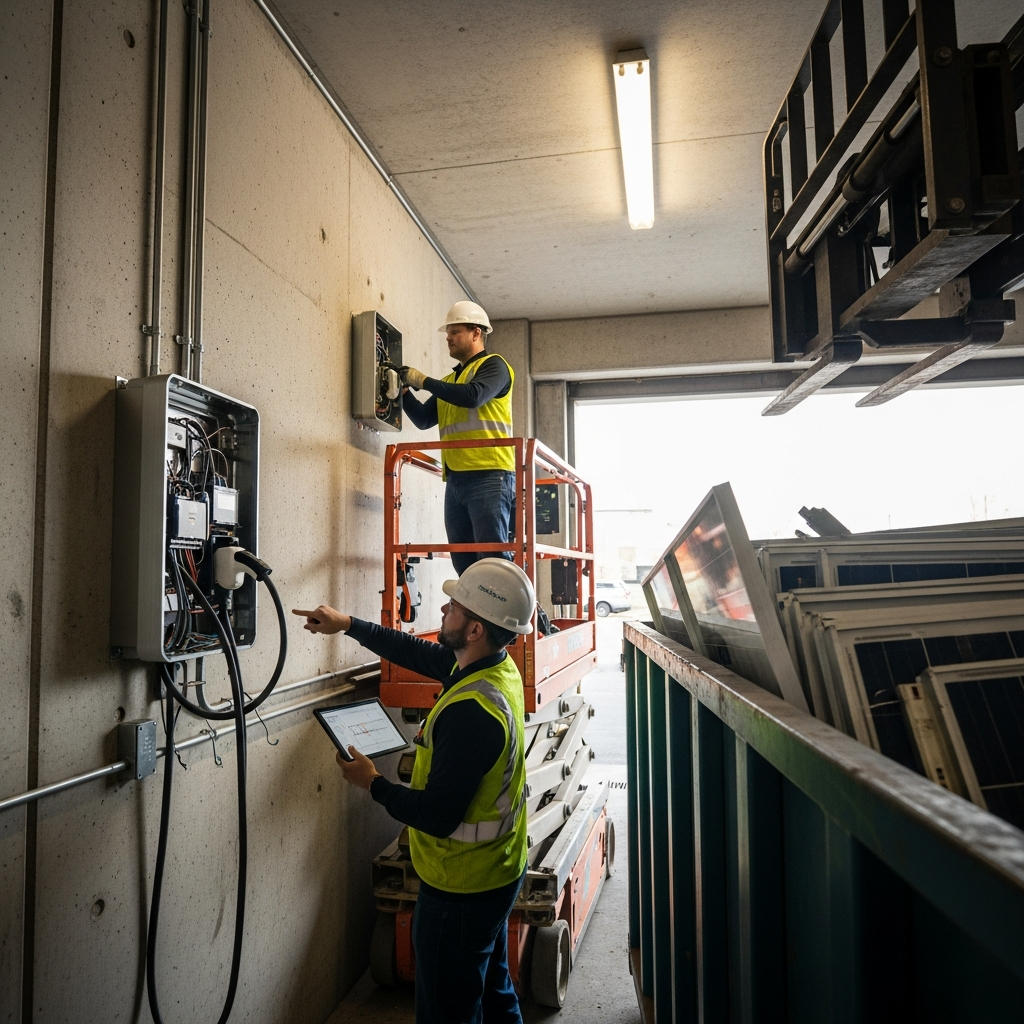
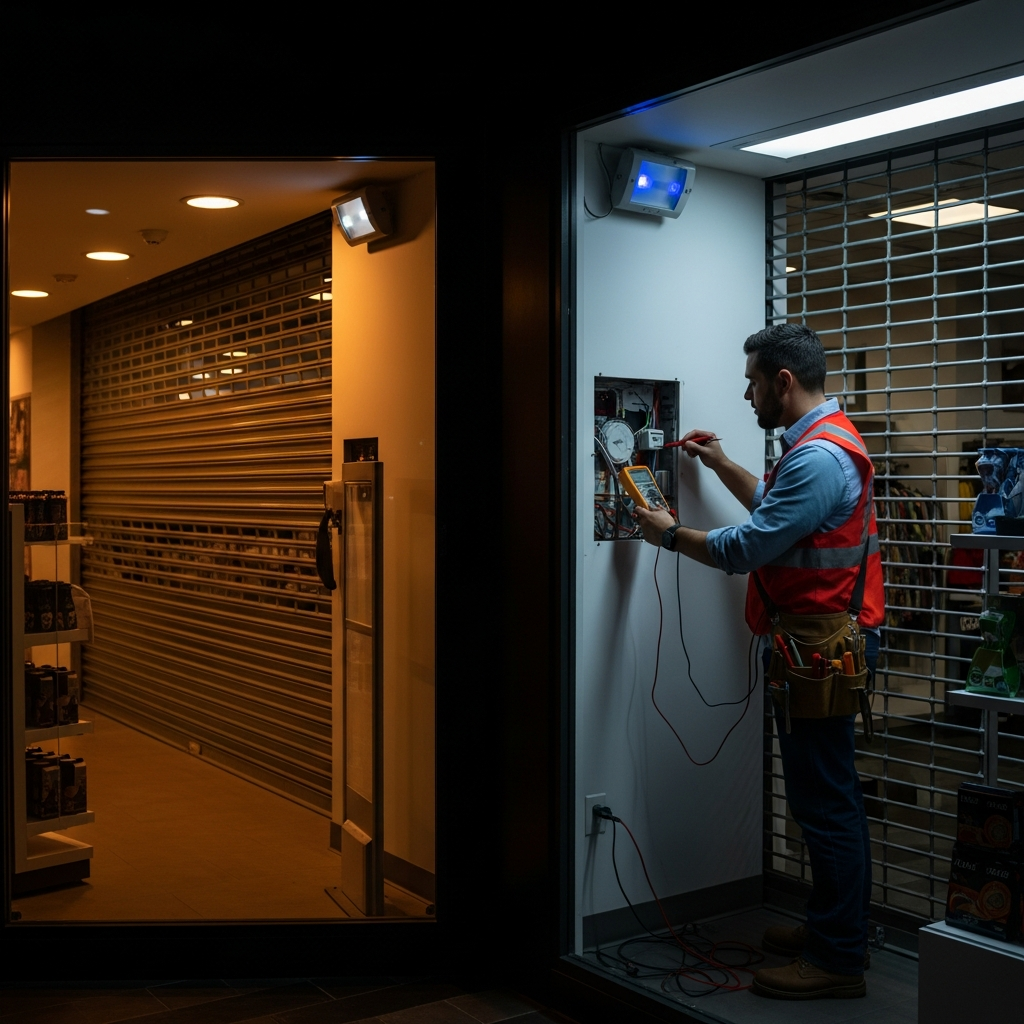
It’s 9:47 p.m. in a mid-rise office building off a quiet stretch of road. Most of the floors are dark, but the third floor still has a few lights on. A tenant working late notices the hum from the hallway sounds different. Not louder. Just off. Then one of the overhead panels flickers, settles, and flickers again.
That’s usually how it starts. Tenants working late, cleaning crews mid-shift, security systems suddenly running on backup batteries that were never meant to carry the night. The failure is rarely dramatic at first. A flicker, a partial blackout in one wing, then a full drop on the side of the building nobody is watching.
New reporting from Videos on social media showed cars stopped in the middle of multi-lane roads with their hazard lights on obstructing traffic., “Robotaxi malfunction in China causes traffic chaos as cars stall” points to a bigger shift in how quickly automated systems can fail in public spaces. The same logic applies to a commercial building after hours. Once the staff goes home nobody is watching the small warning signs, and a minor fault becomes a full-scale problem before the property manager even gets the call.
Honestly, the buildings that handle these nights best are the ones that already have a relationship with a 24/7 commercial emergency repair team before something goes wrong. Waiting until 11 p.m. to look up an electrician is the worst time to start that search. If your building still has tenants inside after dark, the response window matters more than the repair itself. Get the number saved. That’s the real preventative step.
steelcityelectricfl.com/emergency electrical