Railway Overpass Data Centers Put Commercial Electrical Panel Installation and Upgrades to a Heat and Vibration Test
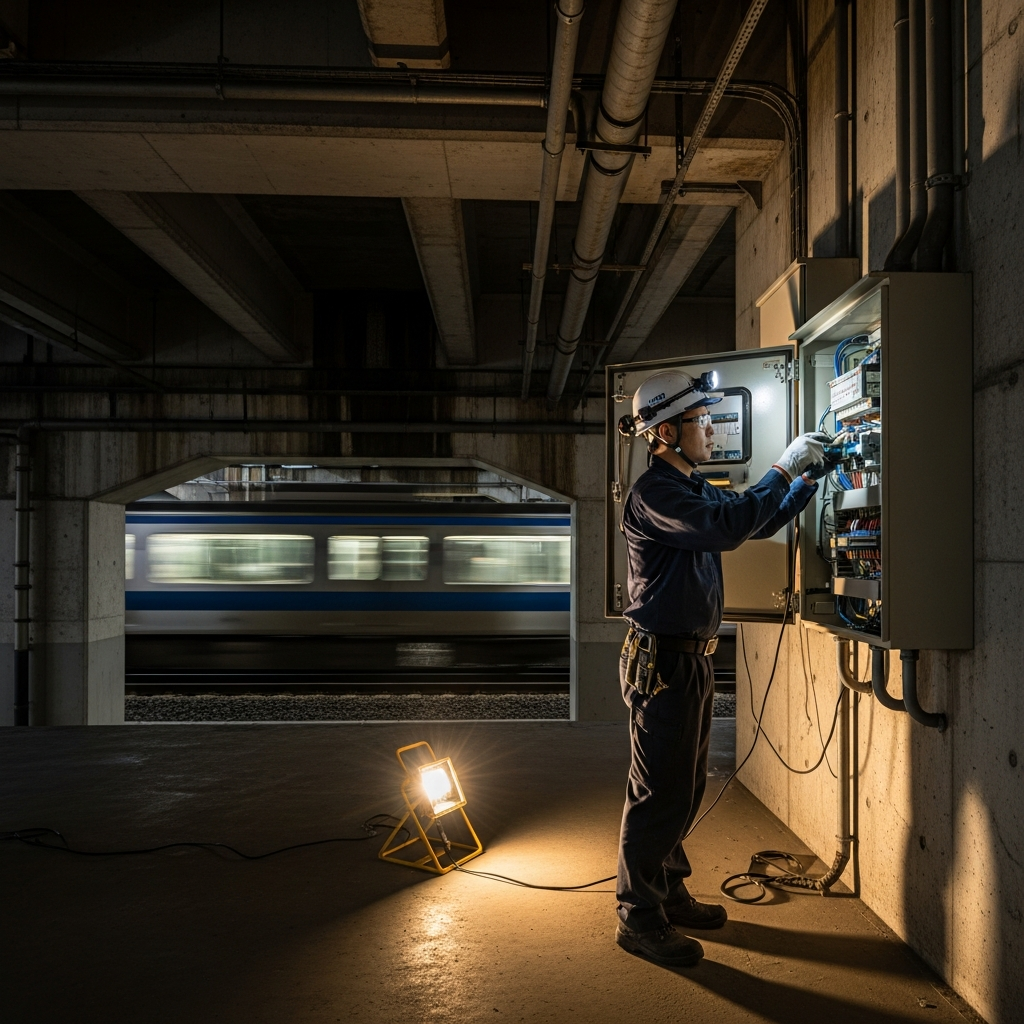
Reuters recently reported on a Tokyo project testing container-sized data centers under railway overpasses. Servers, cooling equipment, panels, and related power gear all sit inside a tight unit. Space is the reason for the idea, but space is not the only problem. Trains overhead mean vibration. Heat builds fast. Equipment gets shaken, loaded, cooled, then loaded again.
That is rough service for an electrical panel. Connections do not care what the drawing looked like if the cabinet is running hot and the structure is moving all day. Breakers, lugs, grounding, feeders, supports, labels, ventilation, working clearance. It all has to match the actual site. Not the best-case version of the site.
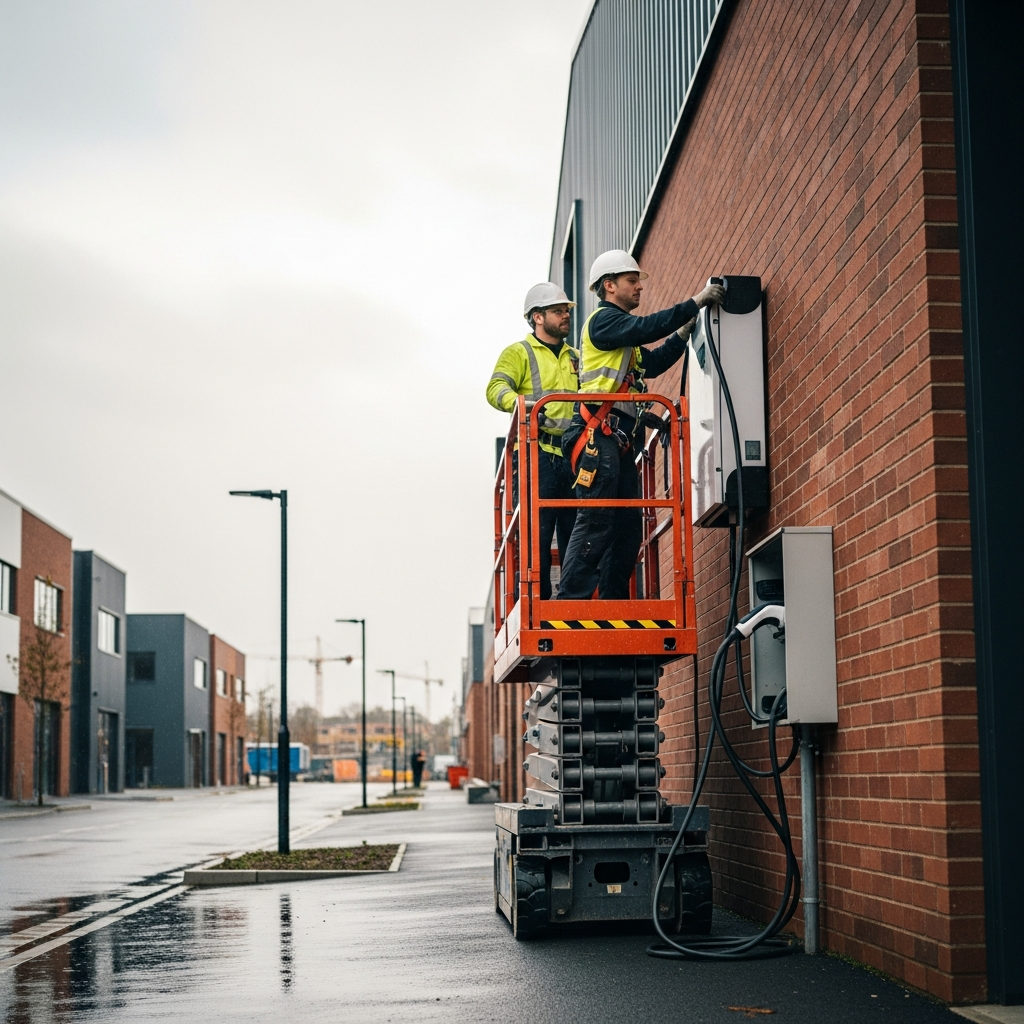
Florida commercial work brings its own version of that same fight. Sun on exterior walls. Humidity in electrical rooms. Storm damage. Old service gear that has been added onto too many times. Sometimes the panel is fine until a new rooftop unit, kitchen line, cooler, charger, or IT rack gets added. Then the weak spots show. Steel City Electric handles commercial electrical panel installation and upgrades by looking at the service first, not just the new equipment going in.
The rail overpass data center is an extreme setup, sure. Still, the lesson is familiar. Electrical rooms keep getting smaller. Loads keep going up. Panels end up beside mechanical equipment, storage shelves, communications racks, or walls that bake in the afternoon. If the gear is already hot before the main load comes on, nuisance trips are usually not random. Burned terminations and tired breakers usually are not random either.
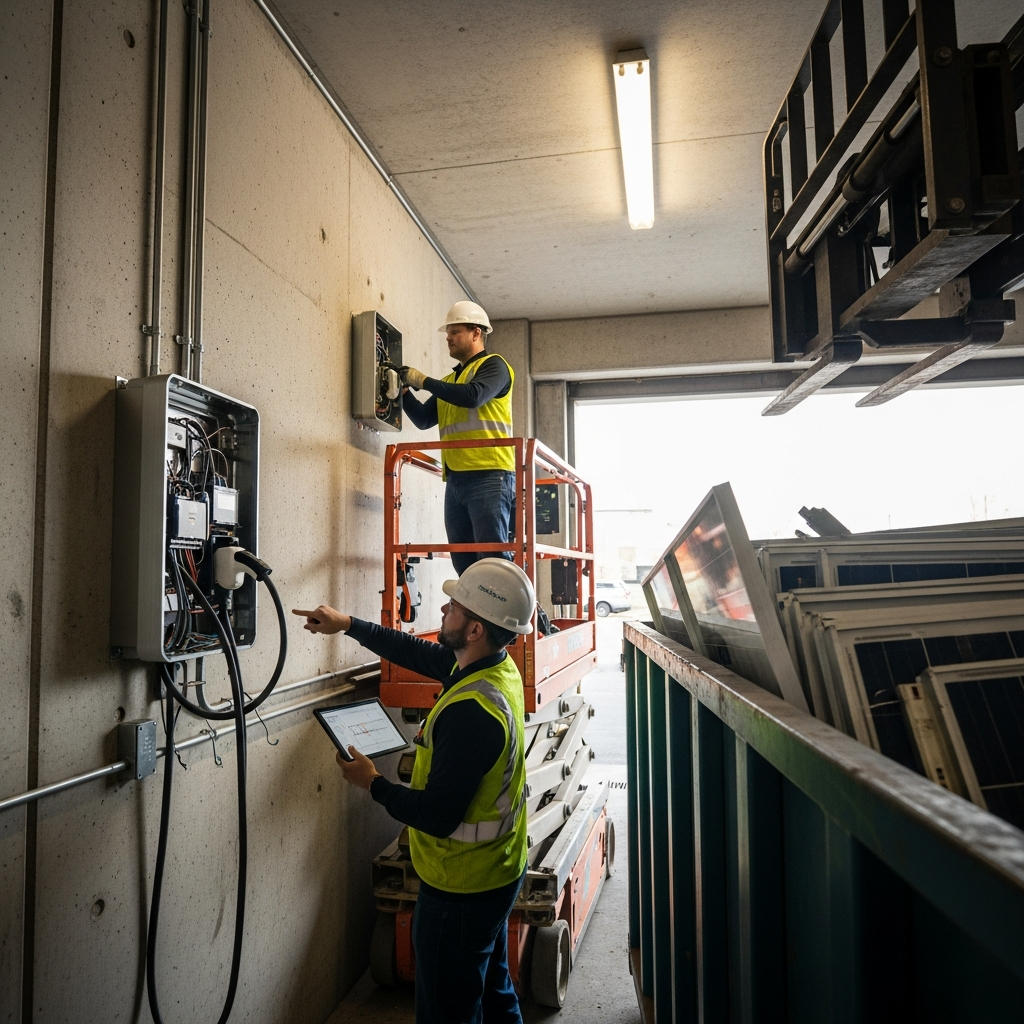
Vibration is another thing that gets missed until there is a problem. Conductors move a little. Conduit moves. Supports loosen. Terminations can relax over time. A panel upgrade is not done just because power is back on and the doors are closed. Torque matters. So does grounding, labeling, feeder condition, arc-flash information, and how the shutdown is scheduled. In occupied buildings, half the job is keeping people working while the electrical work happens safely.
Steel City Electric has been in that kind of situation before. The emergency power restoration and underground electrical repair at Stoneybrooke Clubside Condominiums in Sarasota involved occupied buildings, generator use, damaged underground infrastructure, and outage recovery. Different job from a rail-side data center, but the rule was the same. Plan the work around the people who still need the building.
For owners and property managers, downtime is usually the first thing they worry about. Cost comes right after. Then the panel gets opened and the surprises start. No spare capacity. Bad labeling. Mixed breakers. Corrosion. Old feeders with damage nobody saw from the outside. Years of small fixes can hide a lot.
Bigger electrical changes need more than a simple swap. Load calculations, service capacity, utility coordination, grounding, surge protection, access, and code clearance should be checked before gear is ordered. For full facility work, our commercial electrical services team ties the panel work into the rest of the building instead of treating it like a one-piece replacement.
Railway overpass data centers make a good headline, but the stress is not unusual. Heat, movement, tight rooms, high load, and no room for downtime. That is when a properly planned panel installation or upgrade pays for itself.