Railway Overpass Data Centers Put Heat, Vibration, and Commercial Electrical Panel Upgrades in the Same Fight
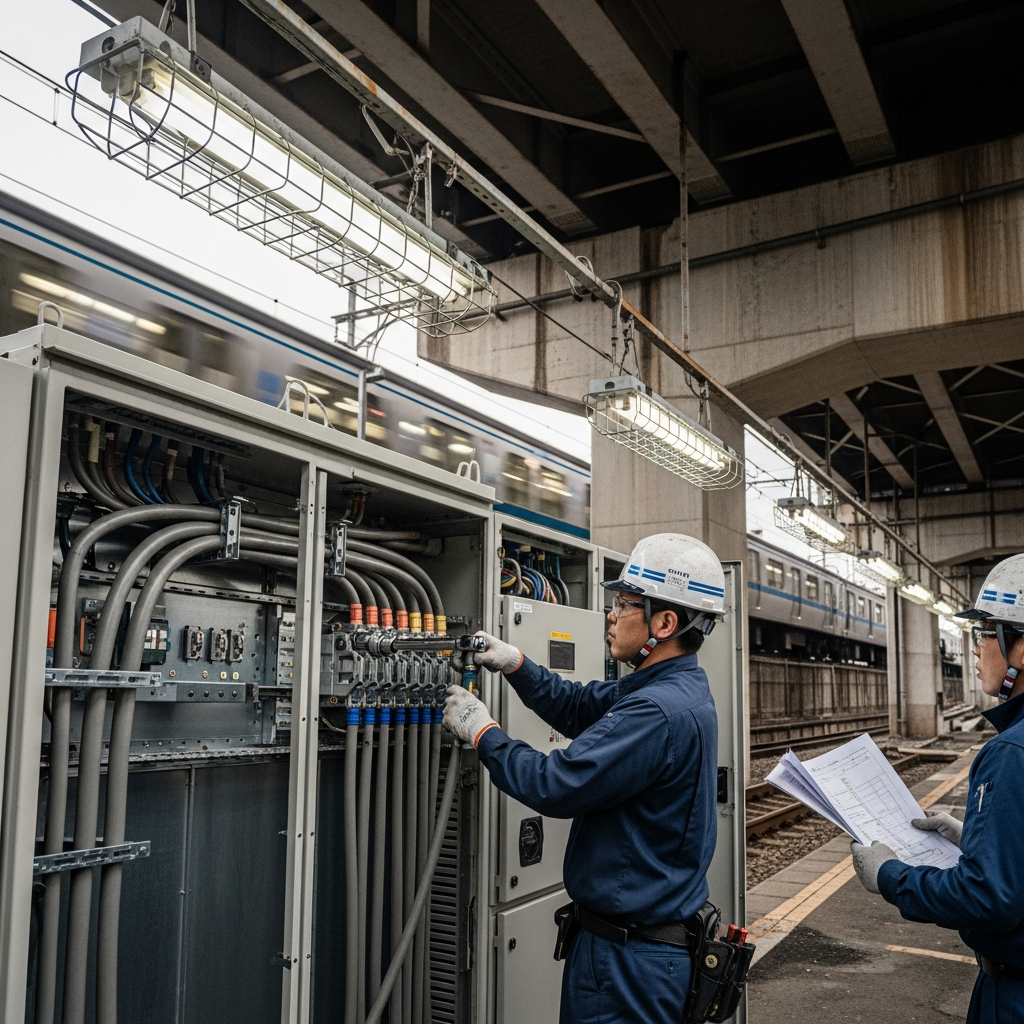
Reuters recently reported on a Tokyo group testing modular data centers under railway overpasses. Trains above the units are creating heat and vibration issues around the equipment. The idea is tight and efficient on paper. Servers, cooling, power distribution, and controls all fit inside a container-style space instead of a normal building.
From the outside, that can look like a plug-and-play job. Anyone who has worked around service gear knows better.
When a commercial property adds a heavy electrical load in a small area, the panel gear becomes the first real checkpoint. Not the last one. Cooling equipment, IT racks, transfer switches, control wiring, disconnects, and monitoring all start landing in the same place. A panelboard or switchgear lineup that was fine for the old use may not hold up once the new load is actually running.
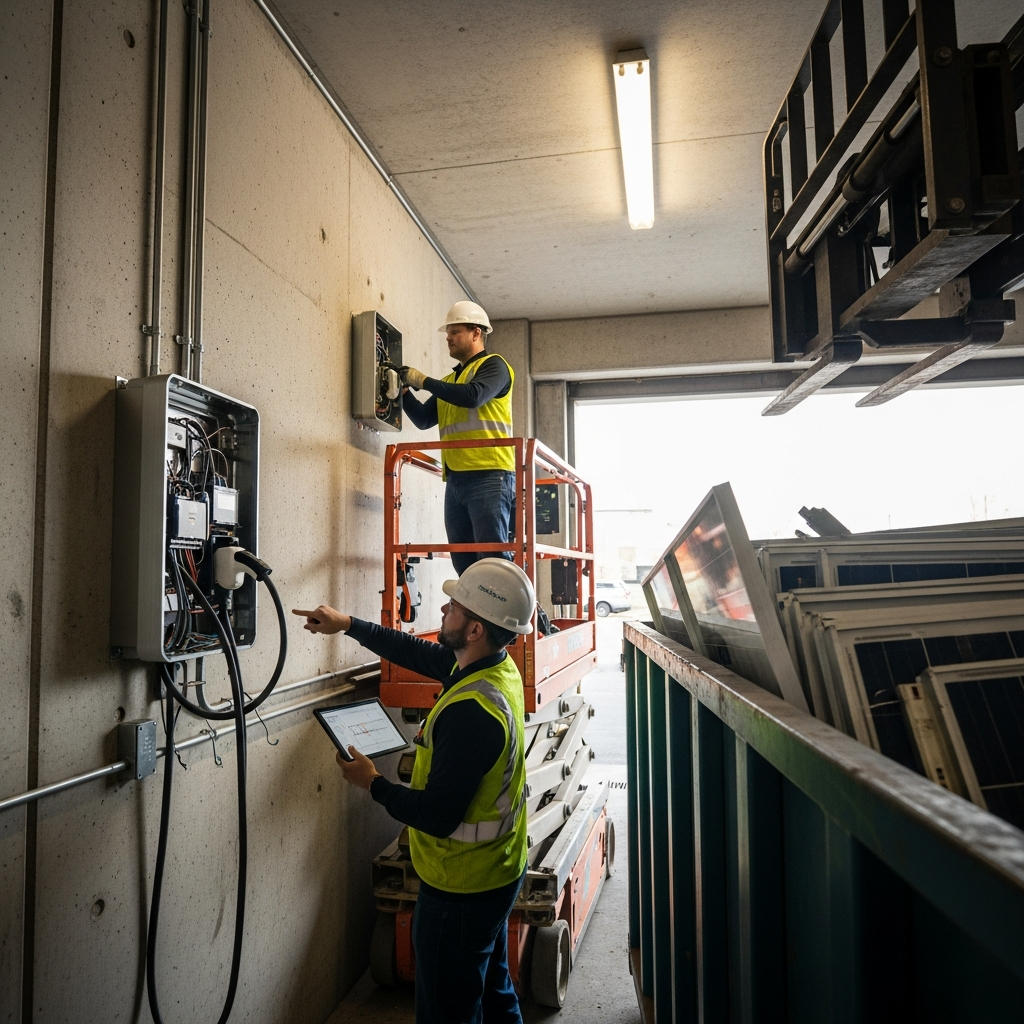
That is why commercial electrical panel installation and upgrades need to be handled early, before equipment shows up on a truck. It is not just changing out a metal cabinet. The load has to be figured correctly. Feeders need to be checked. Grounding and bonding cannot be assumed. Working clearance has to exist in the room, not just on a drawing. Shutdowns also have to be planned around the business, because a bad shutdown plan can cost more than the electrical work.
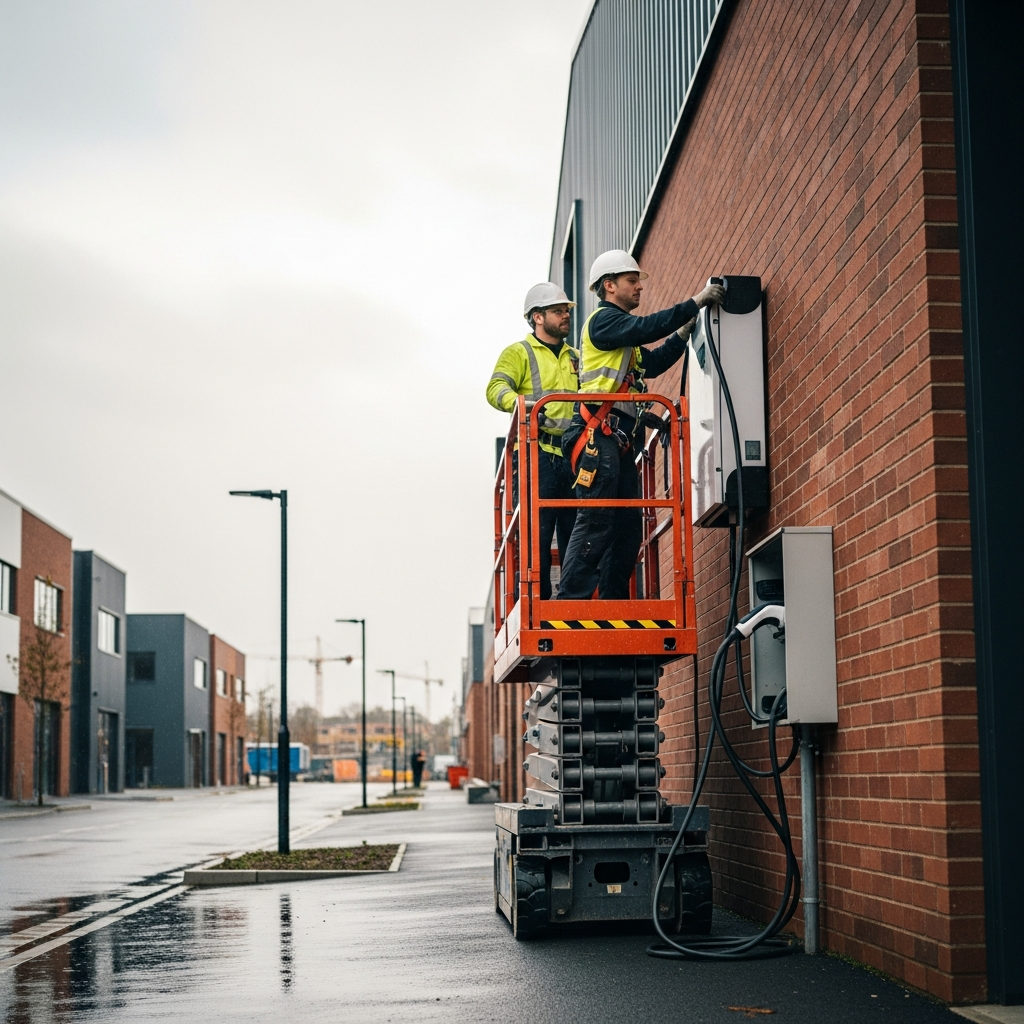
We see a Florida version of this all the time. A restaurant adds more kitchen equipment. A medical office brings in imaging equipment or backup power. A condo property adds pumps, gate controls, lighting, and emergency circuits. A warehouse starts installing chargers or larger HVAC. The electrical room does not magically get bigger. The demand just keeps stacking up.
Steel City Electric dealt with that kind of strain at Stoneybrooke Clubside Condominiums in Sarasota. That project included emergency power restoration, underground feeder repair, generator deployment, and restoration of condominium electrical infrastructure while people still needed power in the building. On work like that, guessing is not part of the plan. Find the fault. Keep the damaged equipment isolated. Communicate with the property. Restore the system safely.
In commercial buildings, the big cost is usually downtime. A weak panel, an overloaded feeder, or old distribution gear can turn a simple expansion into a long interruption. Heat makes failures show up faster. Vibration loosens things over time. Moisture and corrosion slow the job down. Bad labels make it worse. Once the covers come off, old shortcuts are not hard to find.
Panel work often pulls in other commercial electrical services because the panel is only one part of the system. Feeders, disconnects, grounding, surge protection, emergency power, labeling, and code clearance all have to work together. If the property needs backup power, planning around commercial generator installation may belong in the same conversation, especially when the operation cannot afford to sit in the dark.
The Tokyo railway test is unusual because of where the equipment is being placed. The electrical problem is not unusual. High-demand equipment in a hot, tight, rough location needs clean distribution and protection sized for the real load. Not what the building used to need. What it needs now.