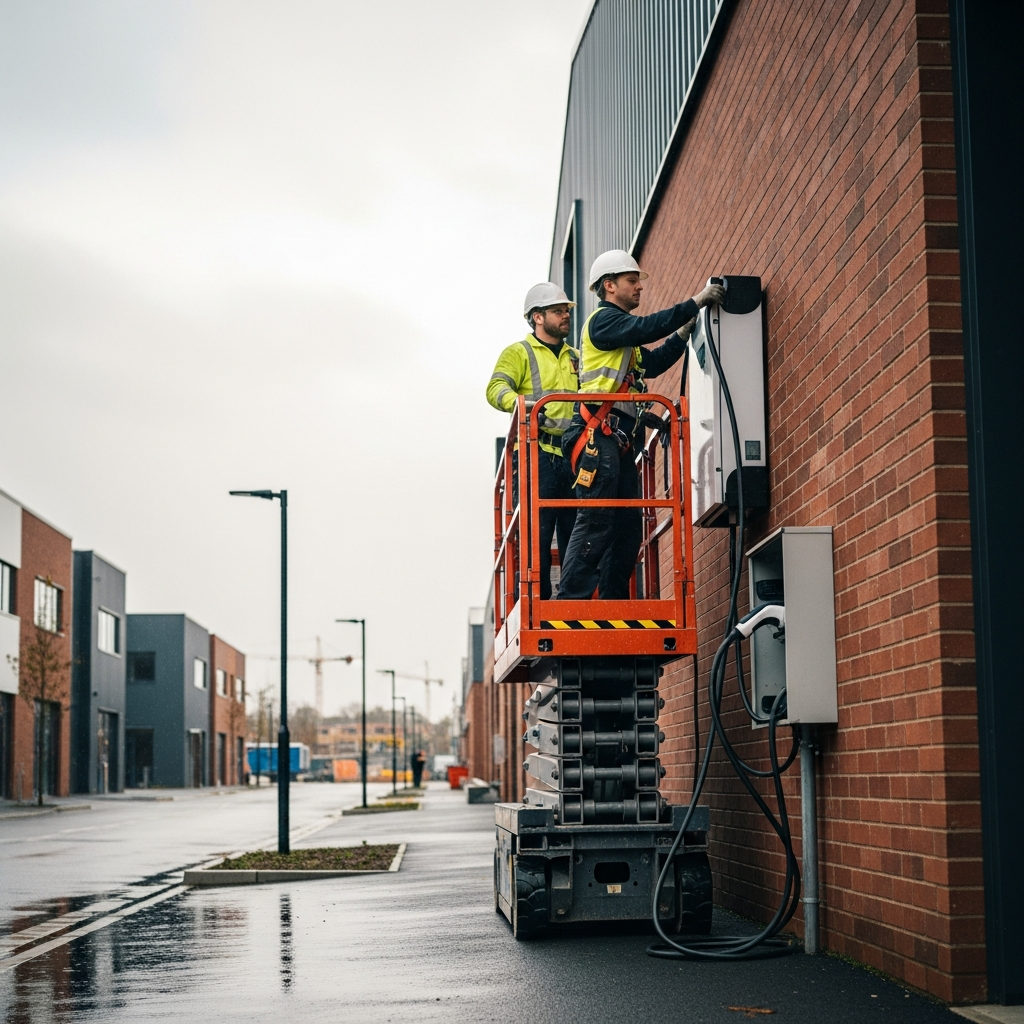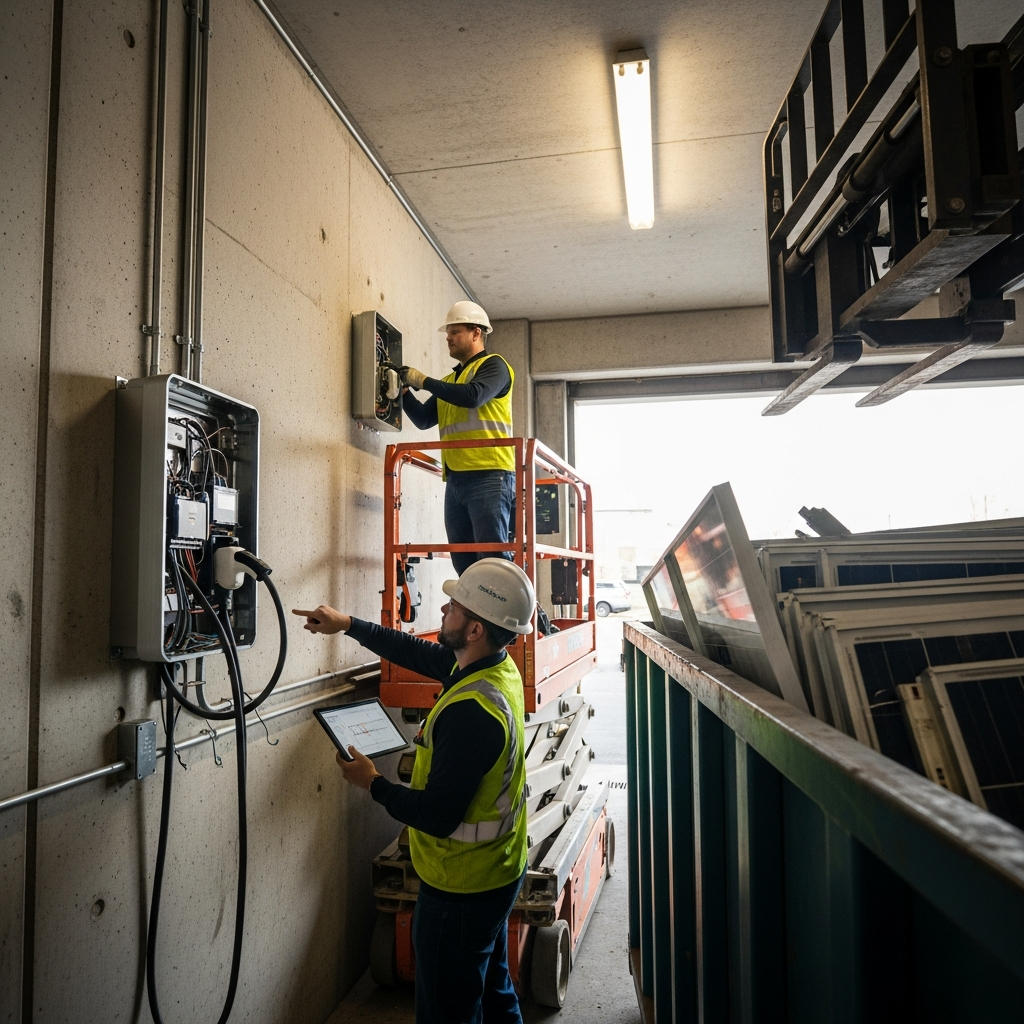
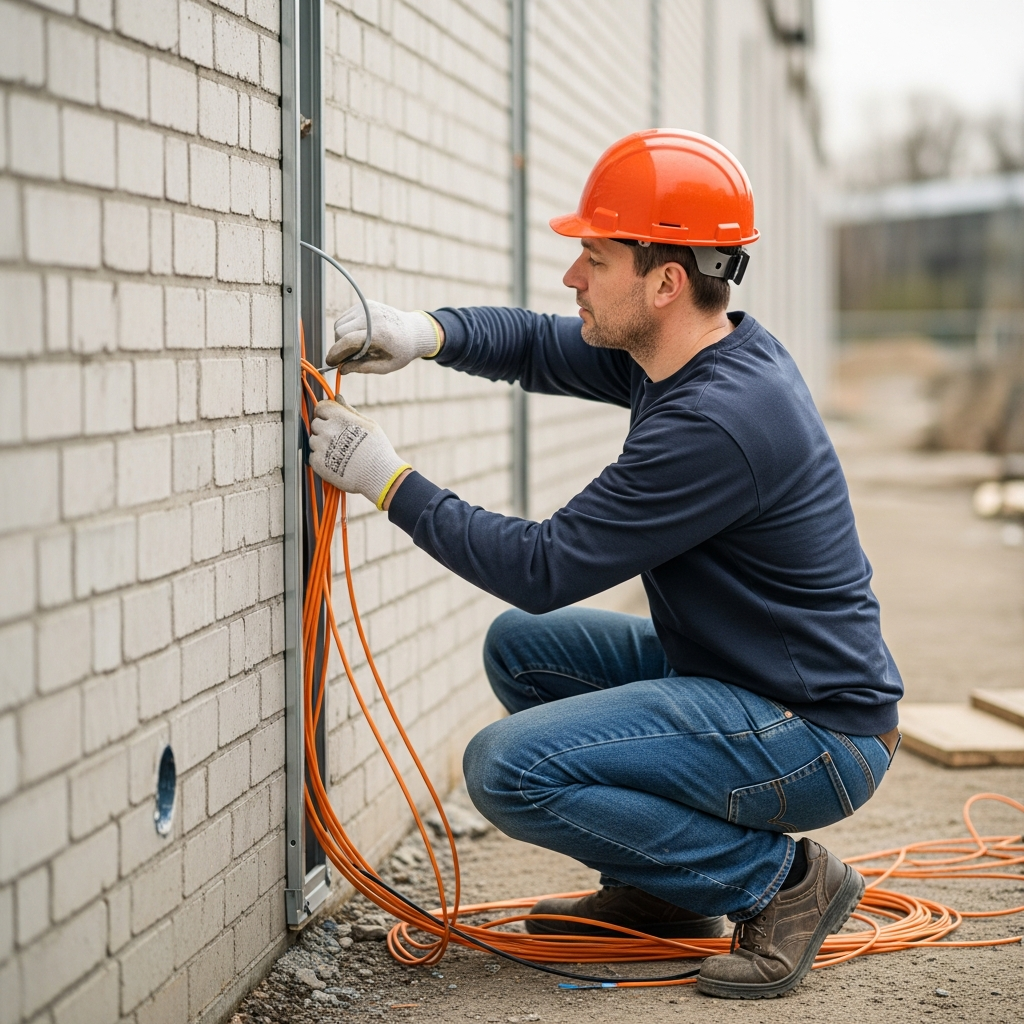
Walked a job site Tuesday morning where the framing was tight, the inspector had already signed off on top-out, and the electrical crew was three days into rough-in. Everything looked fine from the parking lot. Inside, the foreman was standing in what was supposed to be the main electrical room, holding two different panel schedules that didn’t agree on much.
Rough-in week is supposed to be the easy part. Crews show up, conduit goes in the walls, boxes get set, homeruns get pulled back to where the gear will land. Then something shifts, the GC calls about a panel schedule that doesn’t match the latest tenant plan, and suddenly the whole commercial new construction job is sitting still while everyone waits on a decision.
What’s happening in Videos on social media showed cars stopped in the middle of multi-lane roads with their hazard lights on obstructing traffic., “Rough-In Started on Schedule — Then the Build Stalled” may sound unrelated but the parallel is real. One missed signal in the chain and the whole flow stops. Same thing on a buildout when load calcs change late or the service size gets revised after rough-in is already underway.
Honestly, the part that frustrates me most is how avoidable it usually is. If the electrical scope gets locked in early with the architect and the tenant, rough-in stays on track. When it doesn’t, you end up cutting open walls, re-pulling feeders, or holding inspection because the temporary power setup wasn’t planned for the next phase.
My take, contractors who treat the electrical package as an afterthought always pay for it twice. Plan the rough-in around the finished build, not the other way around. That’s the difference between a job that closes on time and one that stalls in week three.
steelcityelectricfl.com/new construction electrical