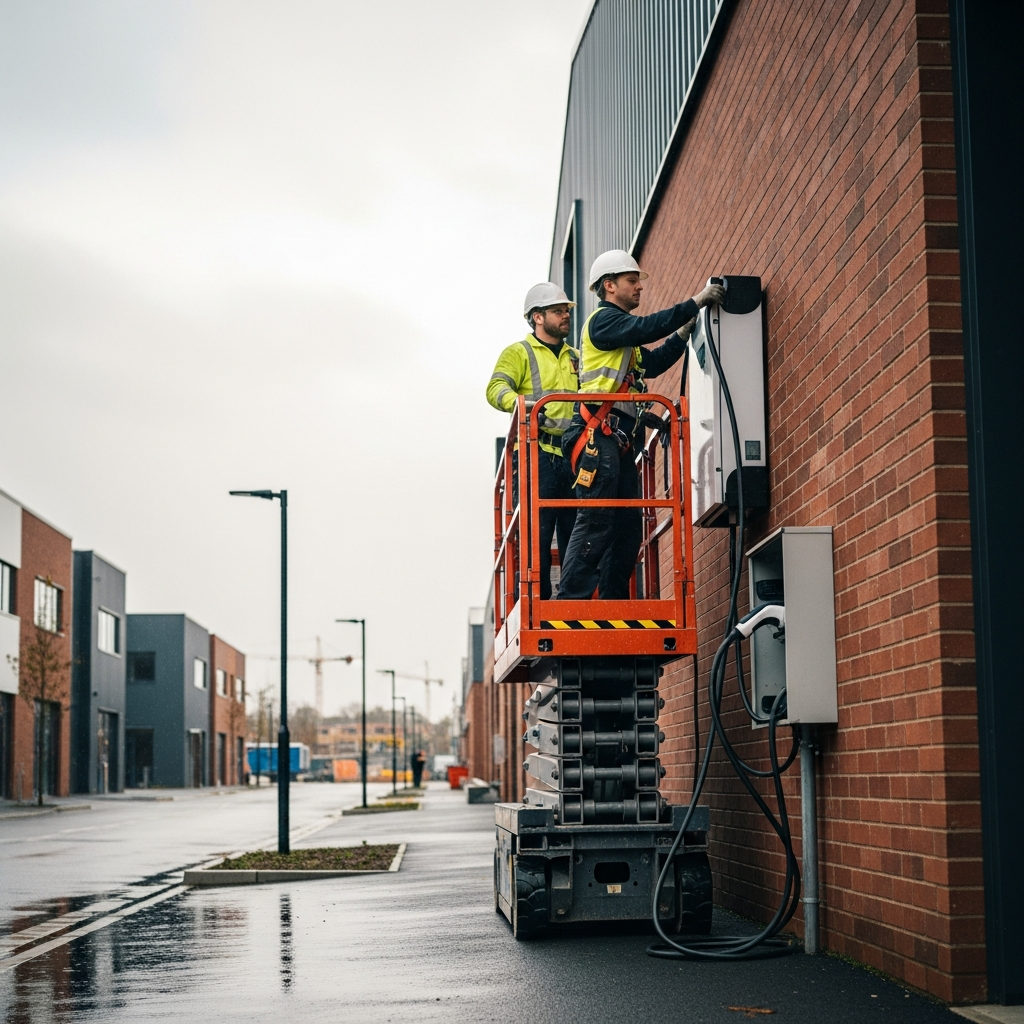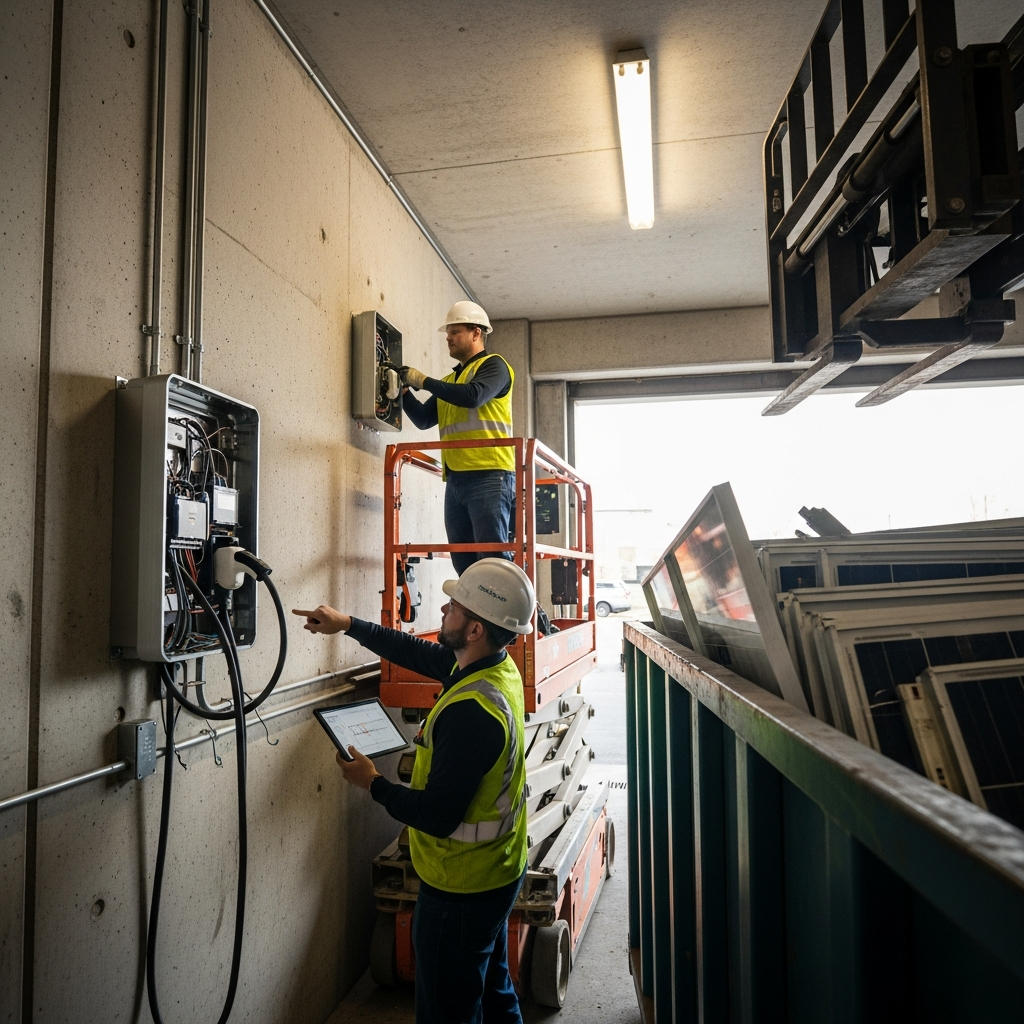
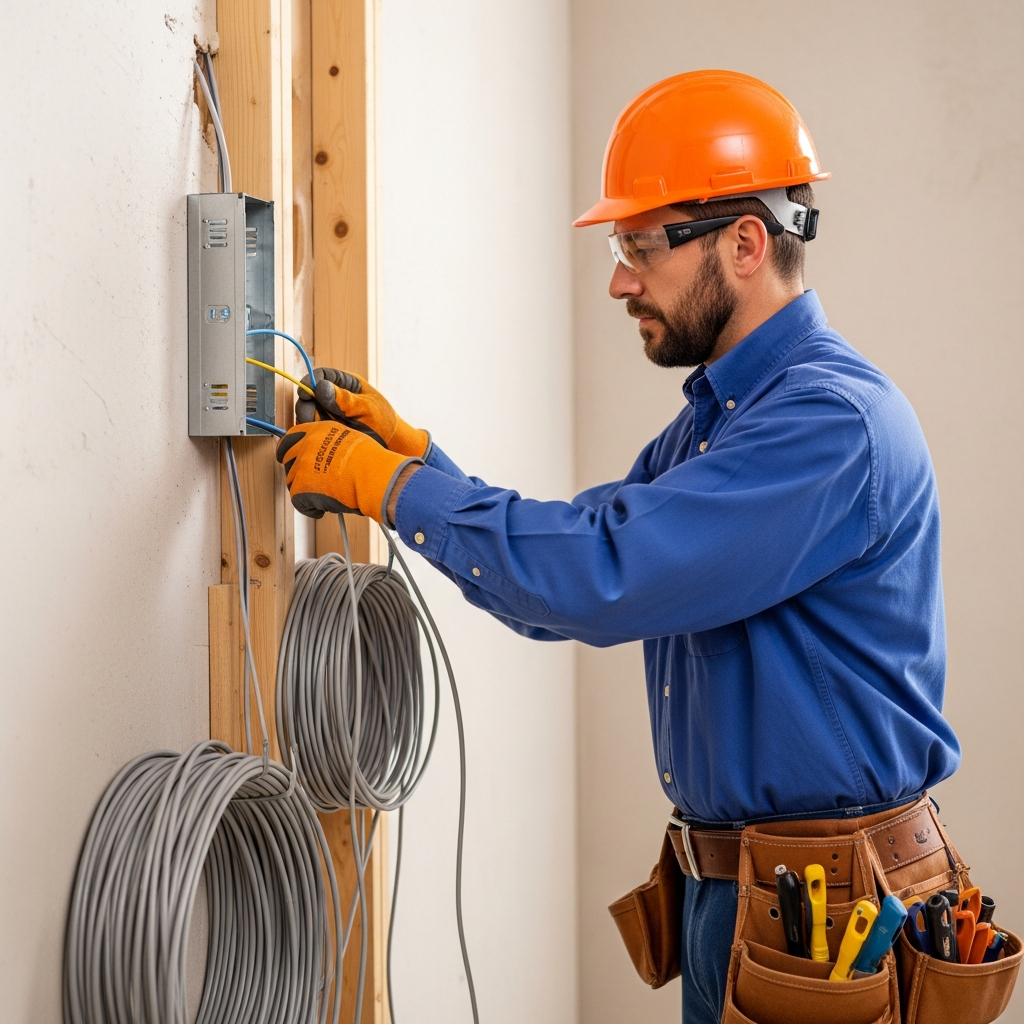
Walk onto a commercial site at the end of rough-in and you can usually tell where the job stands. Conduit is run, boxes are set, the deck is poured and framing has moved in behind us. Everything looks right. Then someone mentions the utility hasn’t confirmed the service date, and the mood on the trailer shifts.
Rough-in goes fast when the crew knows the building. Conduit gets pulled, boxes get set, the deck gets poured over the slab work and the framing crew moves in behind us. Then the schedule hits a wall that has nothing to do with framing or drywall. The build sits there waiting on power, and every trade behind us starts pushing dates.
The story out of seattlepi.com, “Passengers stranded in moving traffic after robotaxi outage in China’s Wuhan” is a different kind of failure, but the lesson behind it is the same one we keep running into on commercial jobs. A system that looked ready can stop the whole operation the moment one piece is not in place. On a [commercial new construction](https://steelcityelectricfl.com/commercial-new-construction/) project, that piece is usually permanent service, and it is almost always tied to coordination that should have started months earlier.
Honestly, the part that frustrates me most is how predictable it is. Temporary power gets stretched thin, the [underground utility runs](https://steelcityelectricfl.com/underground-electrical-utility-installation/) are still being scheduled, and the [service entrance](https://steelcityelectricfl.com/new-electrical-service-installation/) is sitting in a queue at the utility. By the time anyone notices, finishes are already on site with nowhere to plug in.
Lock the power timeline before rough-in starts. Waiting until inspections are close is how a clean build turns into a stalled one.
steelcityelectricfl.com/new construction electrical