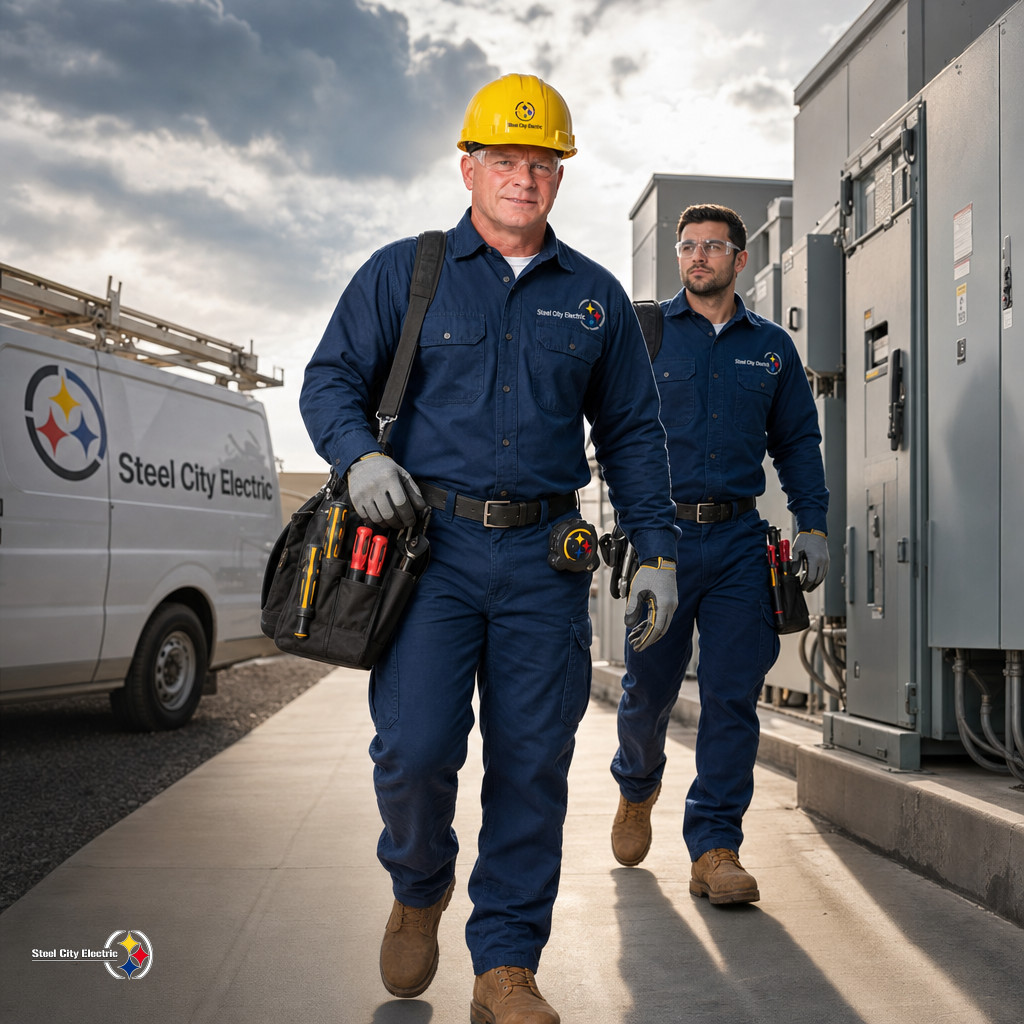

On commercial work, bad service planning usually shows up in small ugly ways before it becomes a real problem. A panel is packed before the doors open. The electrical room has gear in it but no decent working space left. Somebody ordered equipment off an early drawing and nobody checked the actual tenant load. Around Venice, Florida, that can get expensive quick. Retail spaces, offices, warehouses, medical buildouts, and light commercial units all change once the real equipment list comes in. If the service was sized like the building would stay empty and simple forever, the job starts fighting back.
Commercial New Electrical Service Installation needs to be figured out while the project still has room to move. Not after the meter is set. Not after cabinets are hung in front of the service wall. New service work is not just bolting up gear and waiting on inspection. It is getting the utility path right, checking calculated load, planning feeders, making room for grounding, keeping code clearances real, and catching the field conditions that never look the same as the clean drawing.
A recent industry update from solarquarter.com titled Iberdrola Reports H1 2026 Growth With 1 GW Solar Expansion, 117% Battery Storage Increase and 6.3% Rise in Electricity Distribution pointed to more solar, more storage, and more distribution growth. That may be a different market, but the lesson carries over. Loads are not staying flat. Owners are adding controls, charging equipment, backup systems, refrigeration, data gear, security, lighting controls, and tenant-specific equipment that was not in the first conversation. The service entrance takes the hit when nobody plans for that.
Steel City Electric has run into the same kind of pressure on retail buildouts. At Foot Locker Sarasota, the work had to line up with how the store was actually going to operate, not just how the shell space looked on paper. Lighting, outlets, back-of-house needs, displays, and tenant equipment all matter before the walls are closed and the ceiling is full.
For a new commercial space in Venice, it is better to walk the service plan early. Check capacity. Check the utility route. Look at panel locations and future equipment before concrete, drywall, and schedules lock everything in place. Weak front-end planning can lead to failed inspections, shutdowns, change orders, warm gear, or service equipment that is already too small when the tenant moves in. If a project is heading into buildout, Steel City Electric can review the site conditions and handle new commercial electrical service installation before the electrical work becomes the thing holding up the job.