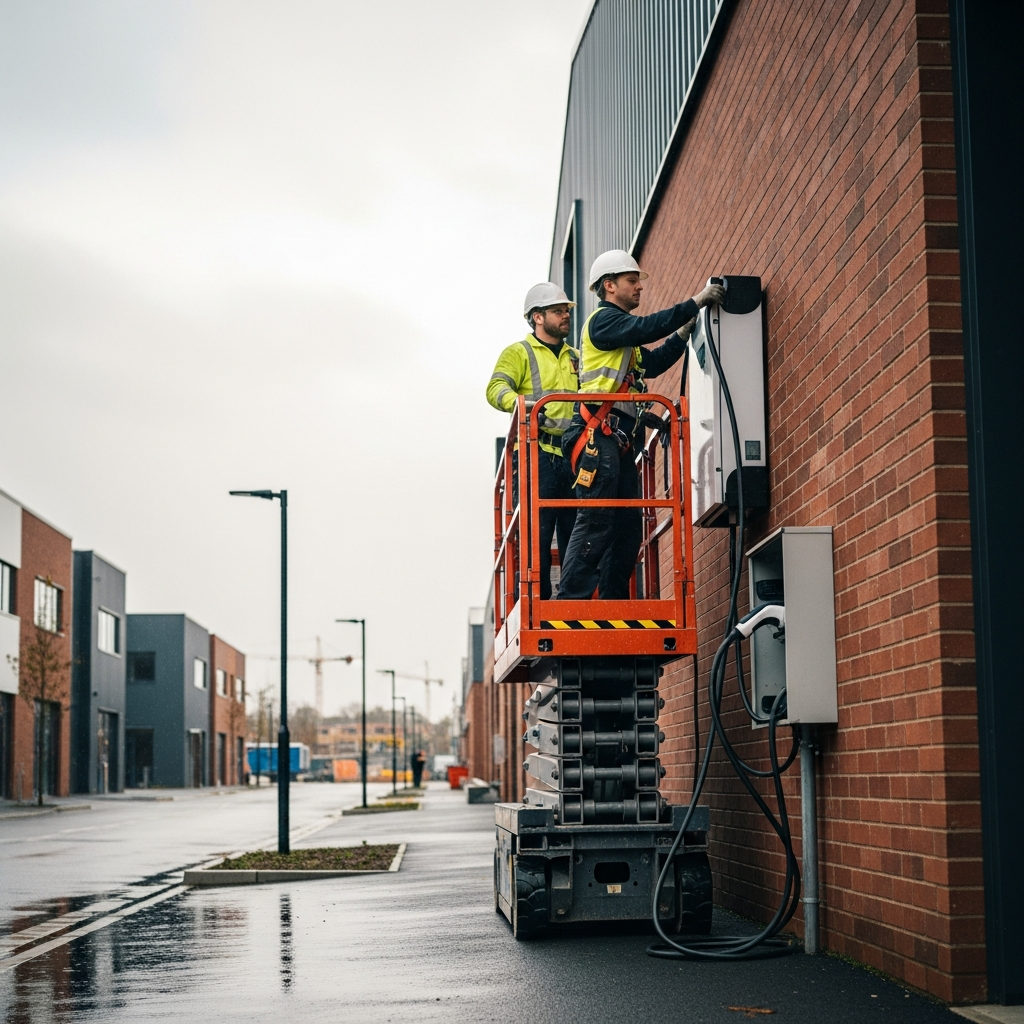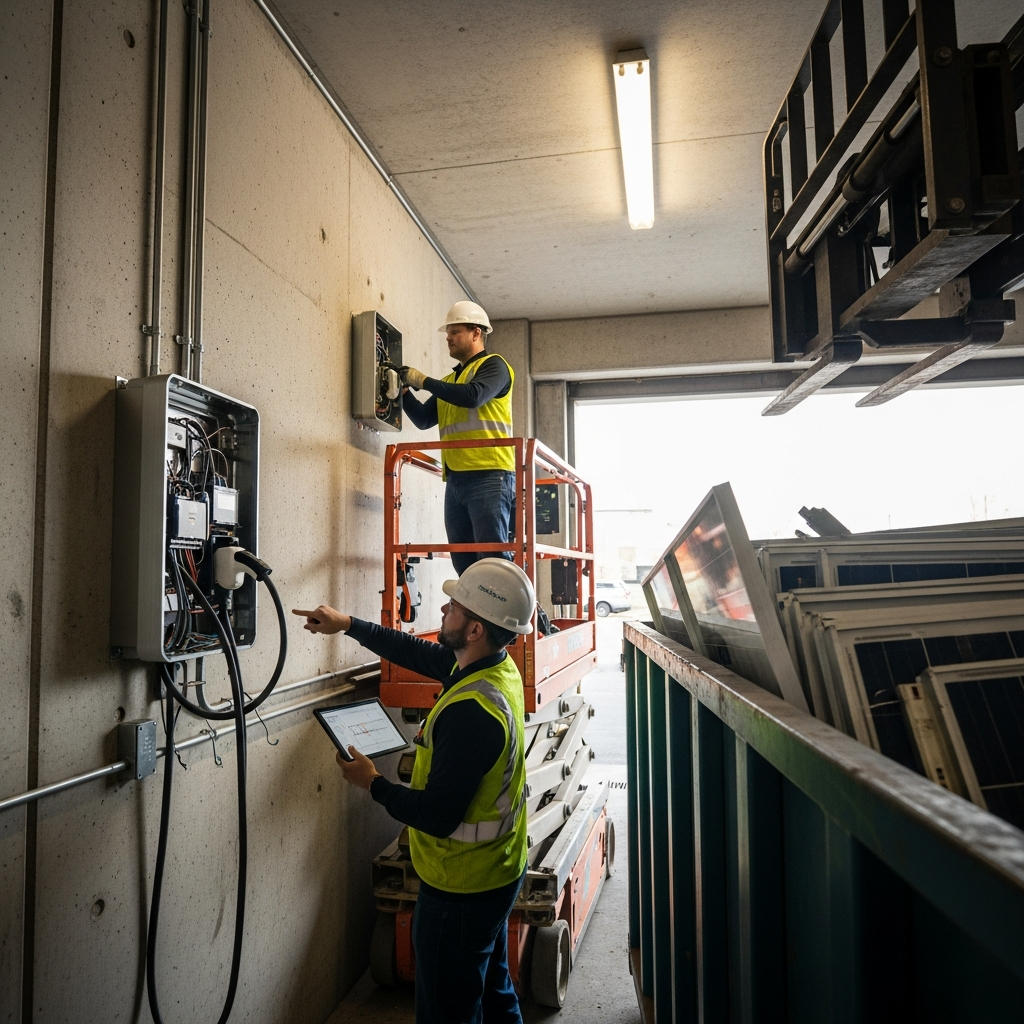
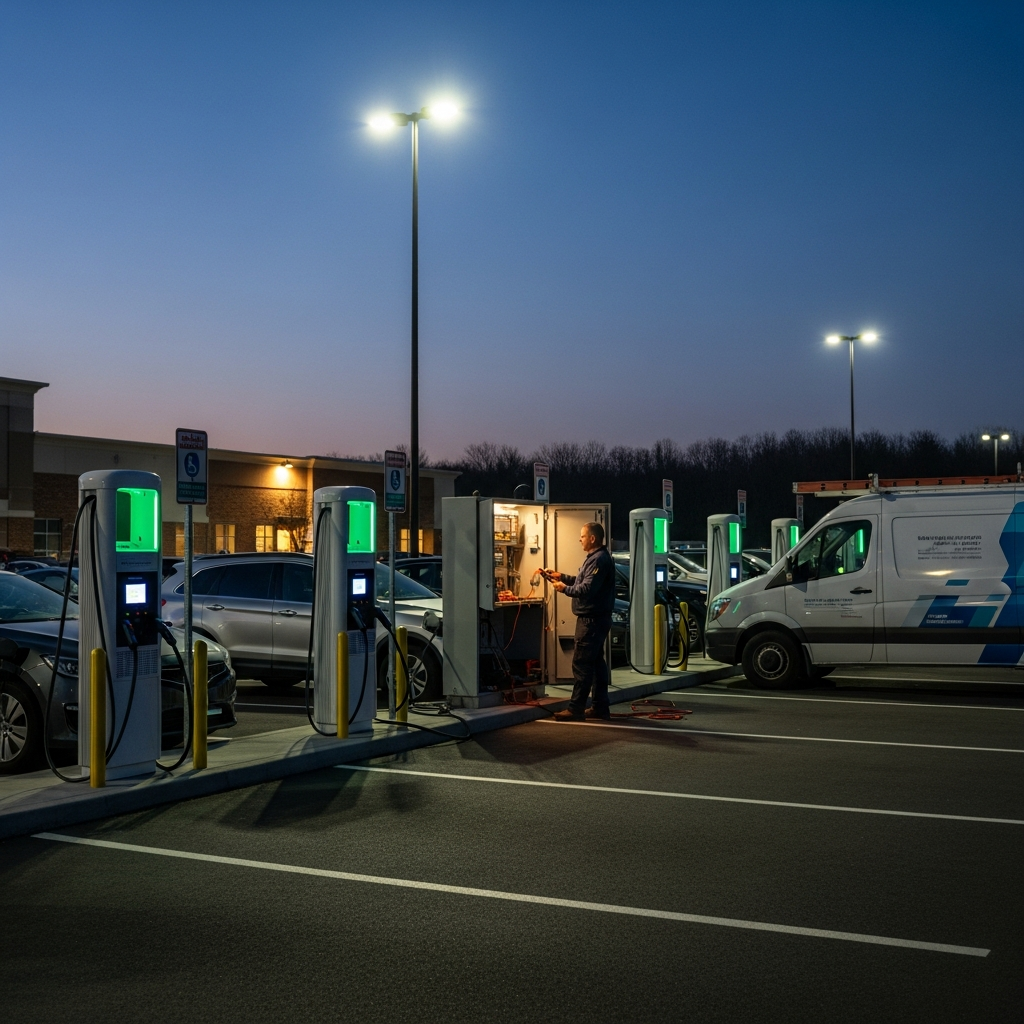
A tenant rolls into the parking lot after a long day, plugs in, and nothing happens. The screen is dark, or maybe it throws an error code nobody on site can read. By the next morning, the property manager has three voicemails about it, and the building’s engineer is standing in front of a panel he hasn’t looked at in years.
We’ve seen this play out more than once at mixed-use buildings around Bradenton and Sarasota. The chargers were dropped in a few years back without much thought given to how the building’s electrical capacity would handle the growth.
The piece from power-grid-model 1.13.35, “Tenants Started Asking Why the Charging Stations Weren’t Working” points to something we keep running into in the field. Charger failures usually trace back to load planning, not the charger itself.
Most commercial EV chargers don’t fail on their own. They fail because the building wasn’t sized for the actual demand, the conduit run is undersized, or the service equipment is sharing capacity with HVAC and tenant loads that grew over the years. A properly planned install accounts for all of that on day one. Sometimes that means a fresh look at the service entrance or the existing panel capacity before a single charger gets mounted.
Honestly, the cheapest install is rarely the one that holds up. I’d rather oversize for two more stations now than tear up a parking lot in three years.
If your tenants are already asking questions, that’s the early warning. Get a load study done before the complaints turn into vacancies.
steelcityelectricfl.com/EV charger installation