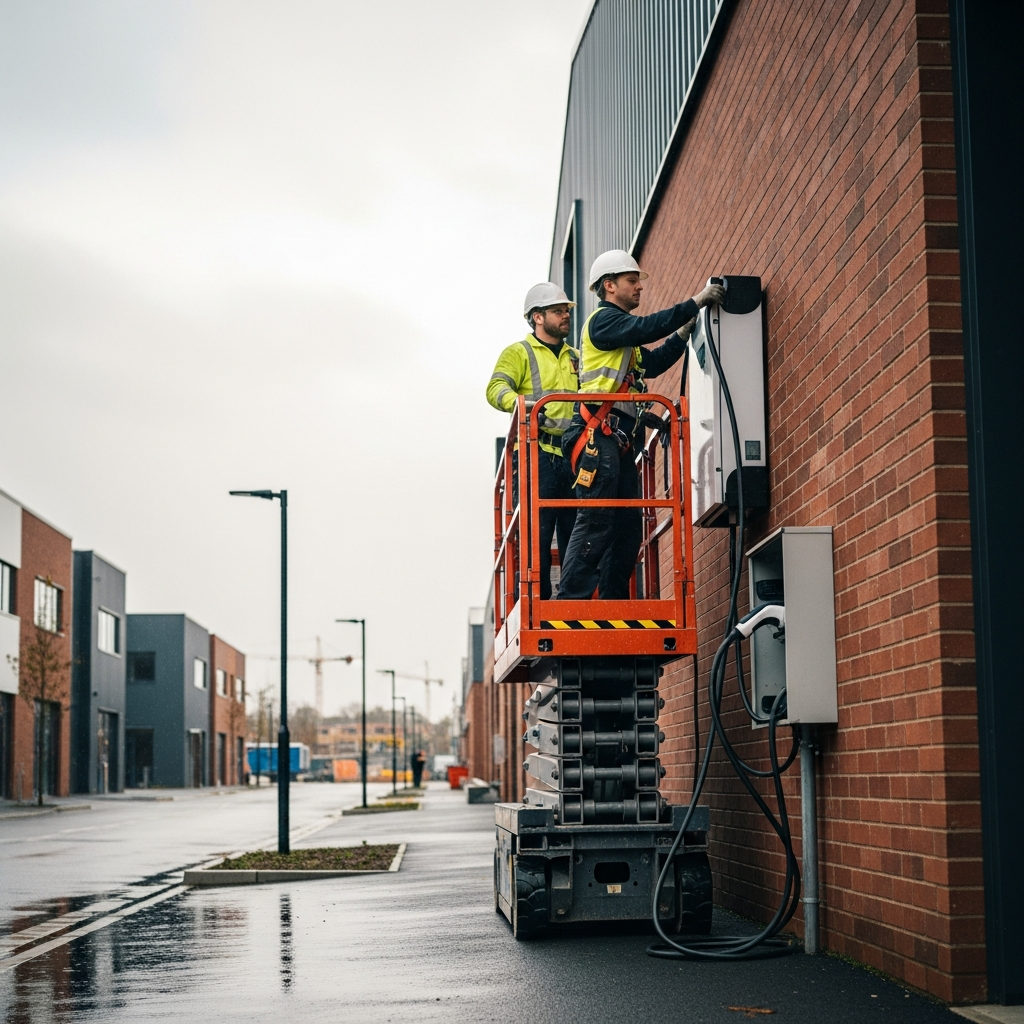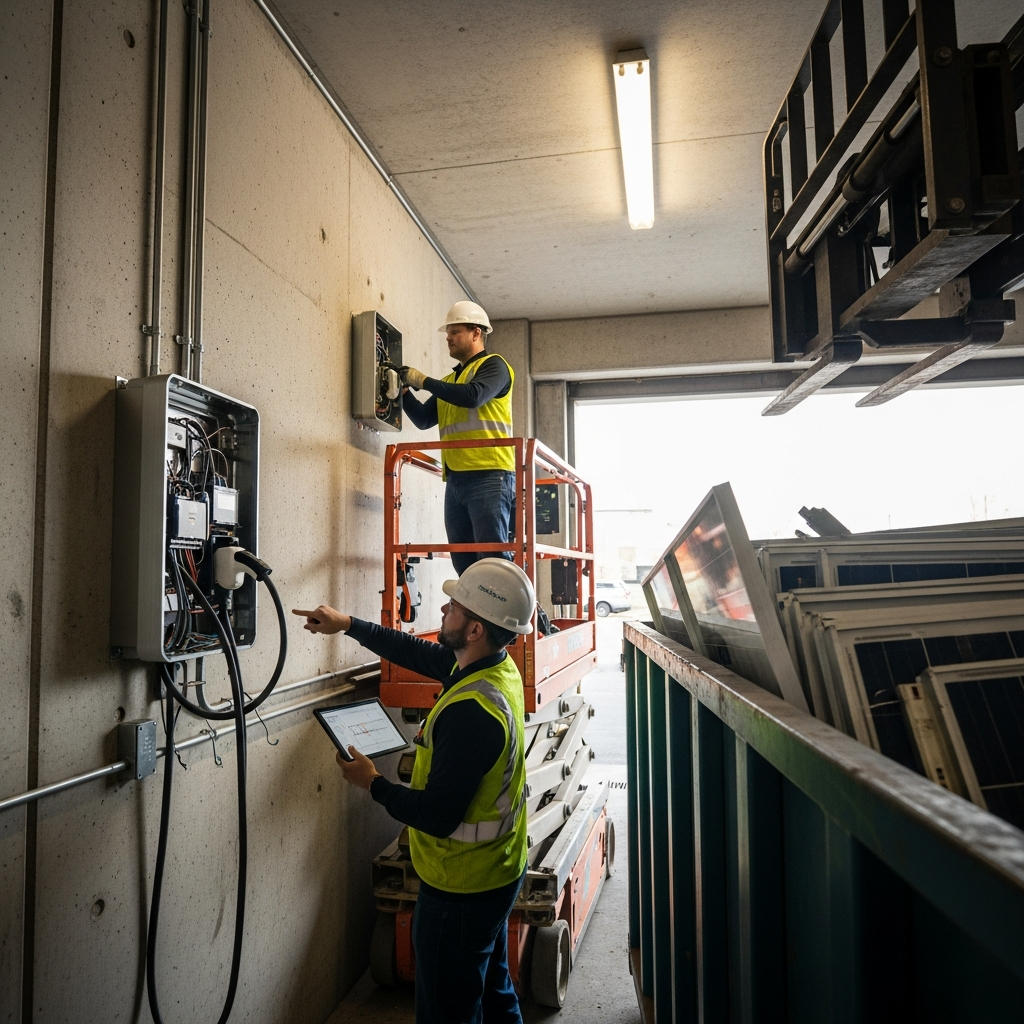
Last week I walked a commercial lot off 301 where the asphalt looked fine but the contractor kept pacing the same stretch near the transformer pad. Something about the grade wasn’t sitting right with him. Turns out the conduit underneath was running closer to the surface than the prints called for, and nobody had flagged it yet.
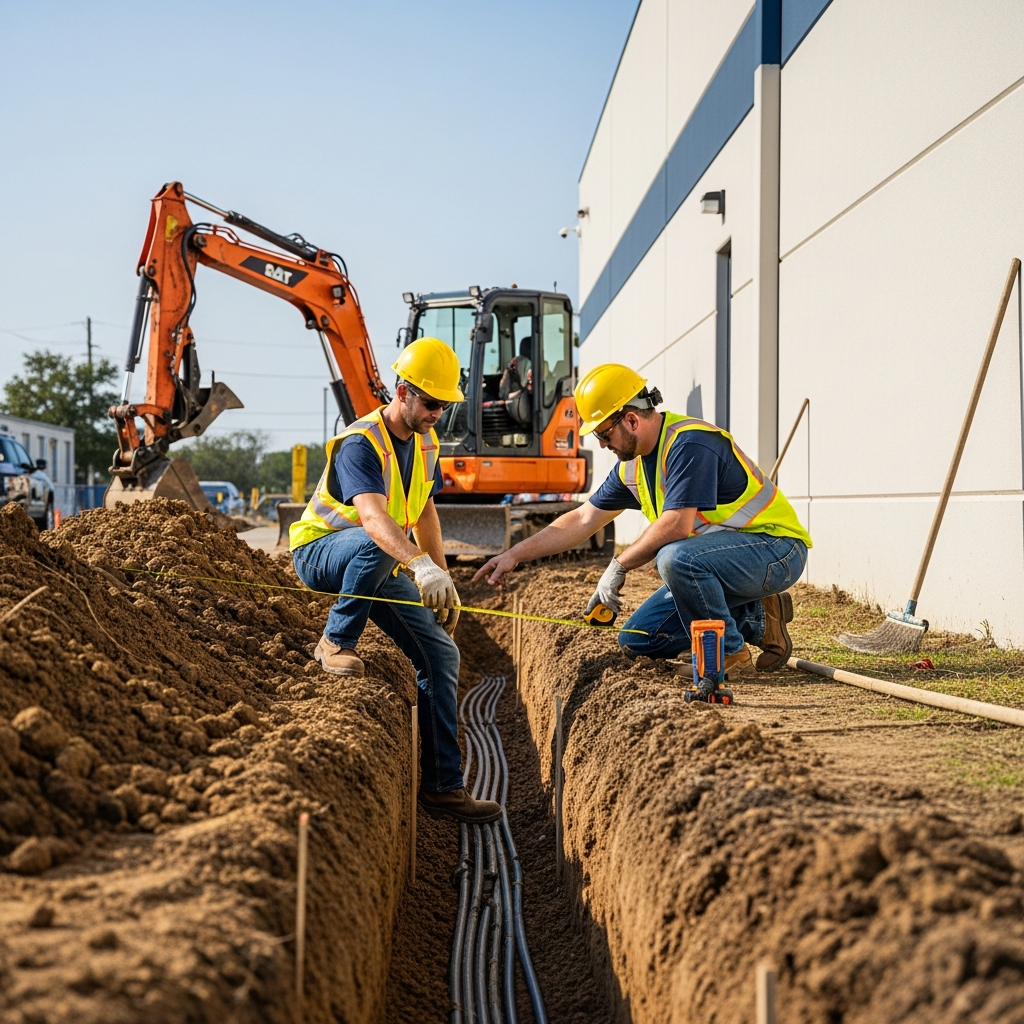
Most of the time, when a trench gets called out short, it’s because someone wanted to save an hour. That hour usually costs the job a week. I’ve seen it happen more than once on commercial sites around Bradenton, where the conduit run was set too shallow and the utility inspector caught it before backfill was even finished.
The issue raised in power-grid-model 1.13.39, “That Trench Wasn’t Deep Enough — And the Utility Found Out” is simple. When underground runs don’t meet the required depth, the whole install gets flagged and the property owner eats the delay.
Depth matters for a reason. Heavy equipment rolls over commercial lots every day. Landscaping crews dig. Future tenants build out parking expansions. A conduit sitting too close to grade is a liability waiting to surface, literally. Patching it later means cutting concrete, re-pulling wire and pulling permits twice.
Honestly, the part that frustrates me most is how preventable it is. A proper trench plan, the right cover depth for the voltage class, warning tape at the correct height, sand bedding where it’s needed. None of that is exotic. It’s just the work.
If you’re planning a commercial build or service extension in Sarasota or Manatee County, get the underground scope reviewed before the excavator shows up. Skipping that conversation is where the real cost starts.
steelcityelectricfl.com/underground electrical