A warehouse manager in Tampa flips the main breaker during a planned outage drill. The lights cut. Three seconds pass. Five. The generator out back is running, but the transfer switch hasn’t moved. Coolers are still dark. Production line is still dead. On paper, that system was rated, installed and signed off. In practice, it’s doing nothing.
That’s the moment every commercial property owner dreads, and it’s more common than people want to admit.
The situation described in ABC News, “Passengers stranded in moving traffic after robotaxi outage in China’s Wuhan” reflects a growing pattern across commercial environments. More than 100 Baidu robotaxis froze mid-route because of a system malfunction, leaving riders stuck in active traffic. Different industry, same lesson. Backup systems only matter if they actually engage when the primary fails.
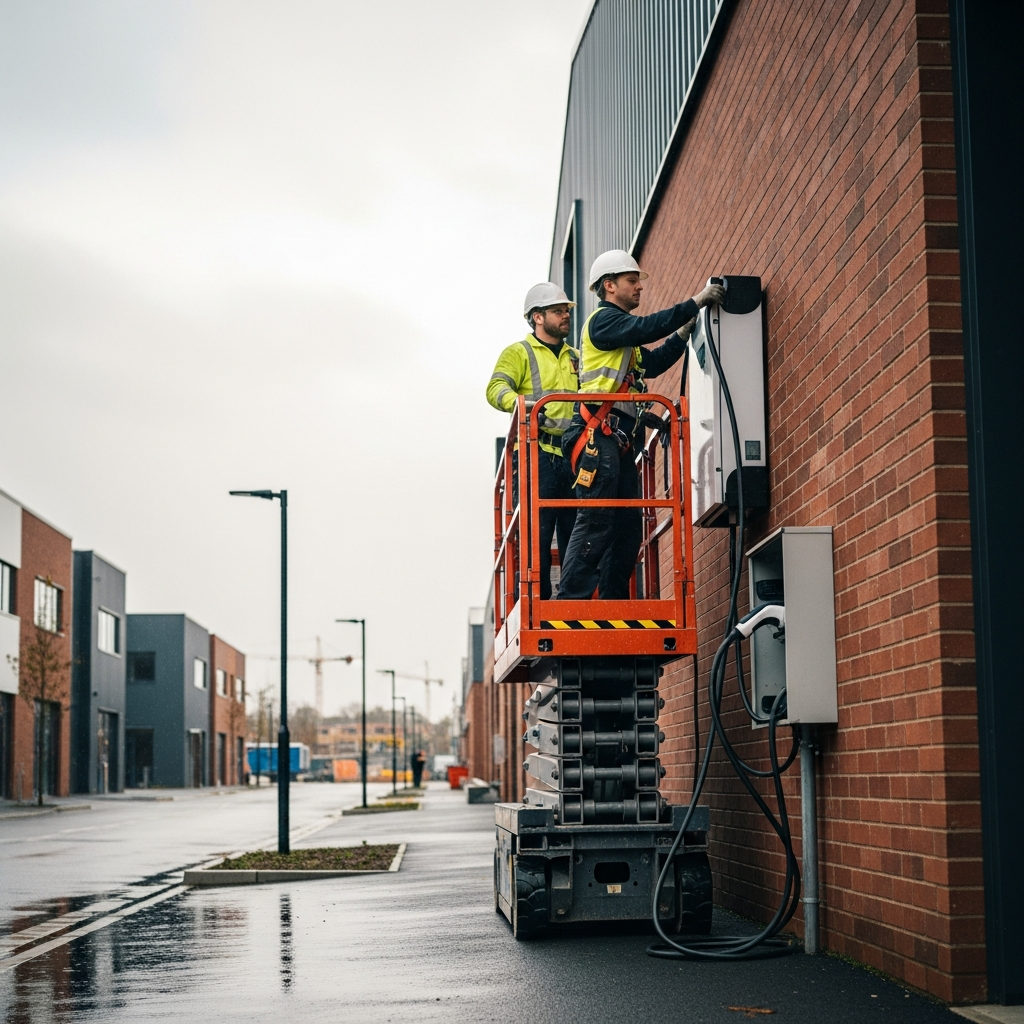
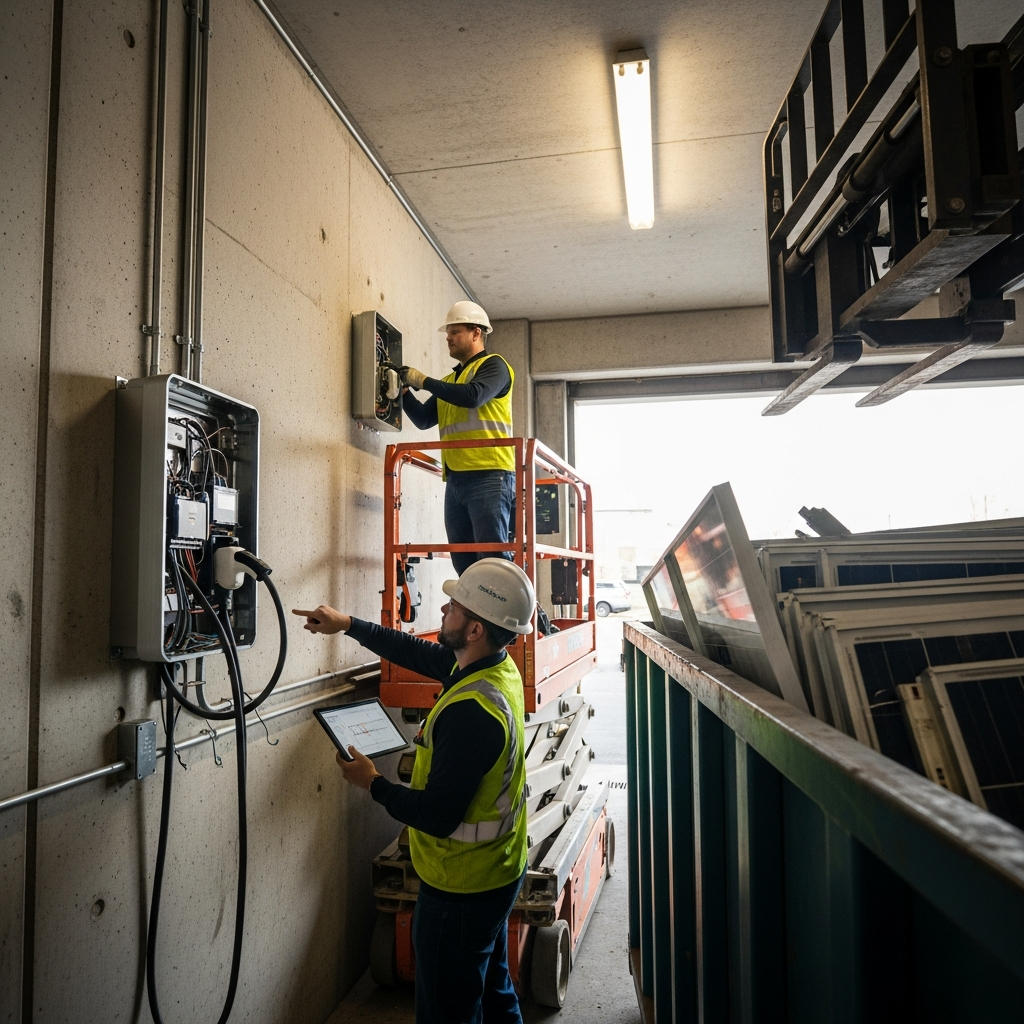
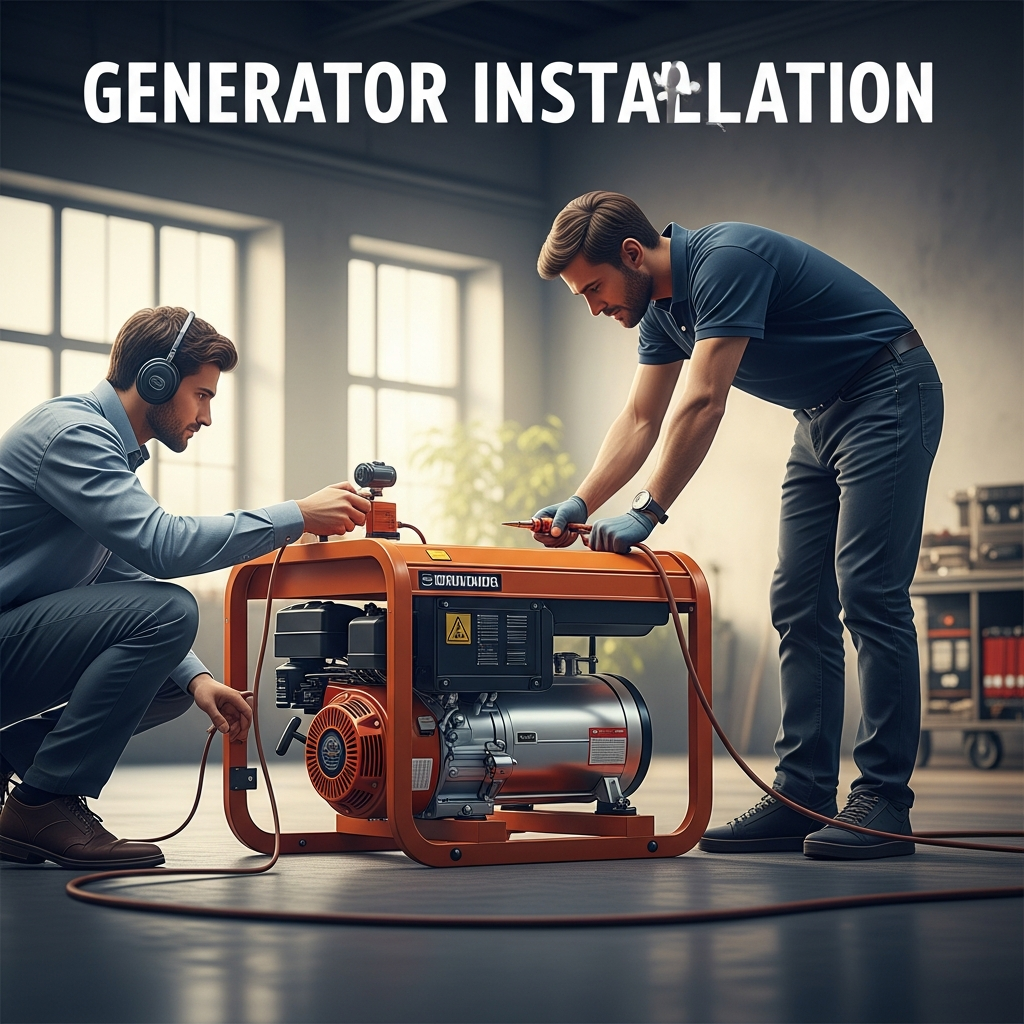
I’ve walked through plenty of properties where the [commercial generator installation](https://steelcityelectricfl.com/commercial-generator-installation/) looked fine on paper but never got load-tested properly after the install was buttoned up. A generator that doesn’t transfer cleanly is expensive yard art. Cold-start failures, ATS miscommunication, fuel sitting in the tank for two years, undersized units feeding loads they were never spec’d for. Those are the real reasons backup power doesn’t kick on when the grid goes dark.
For Florida businesses running refrigeration, medical equipment or production lines, a generator that hesitates during a storm isn’t a hiccup. It’s revenue walking out the door and sometimes worse. Pair the install with a properly sized [new electrical service](https://steelcityelectricfl.com/new-electrical-service-installation/) and the transfer behaves the way it should.
If your unit hasn’t been tested under actual load recently, assume it won’t work. That’s not pessimism. That’s experience.
steelcityelectricfl.com/generator installation