The generator had been bolted down for almost two years before anyone really paid attention to it. Monthly test runs, a quick log entry, that was about it. Then a substation issue dropped power across half the block during a Tuesday lunch rush, and suddenly that quiet piece of equipment became the only reason the building stayed open while the rest of the street went dark.
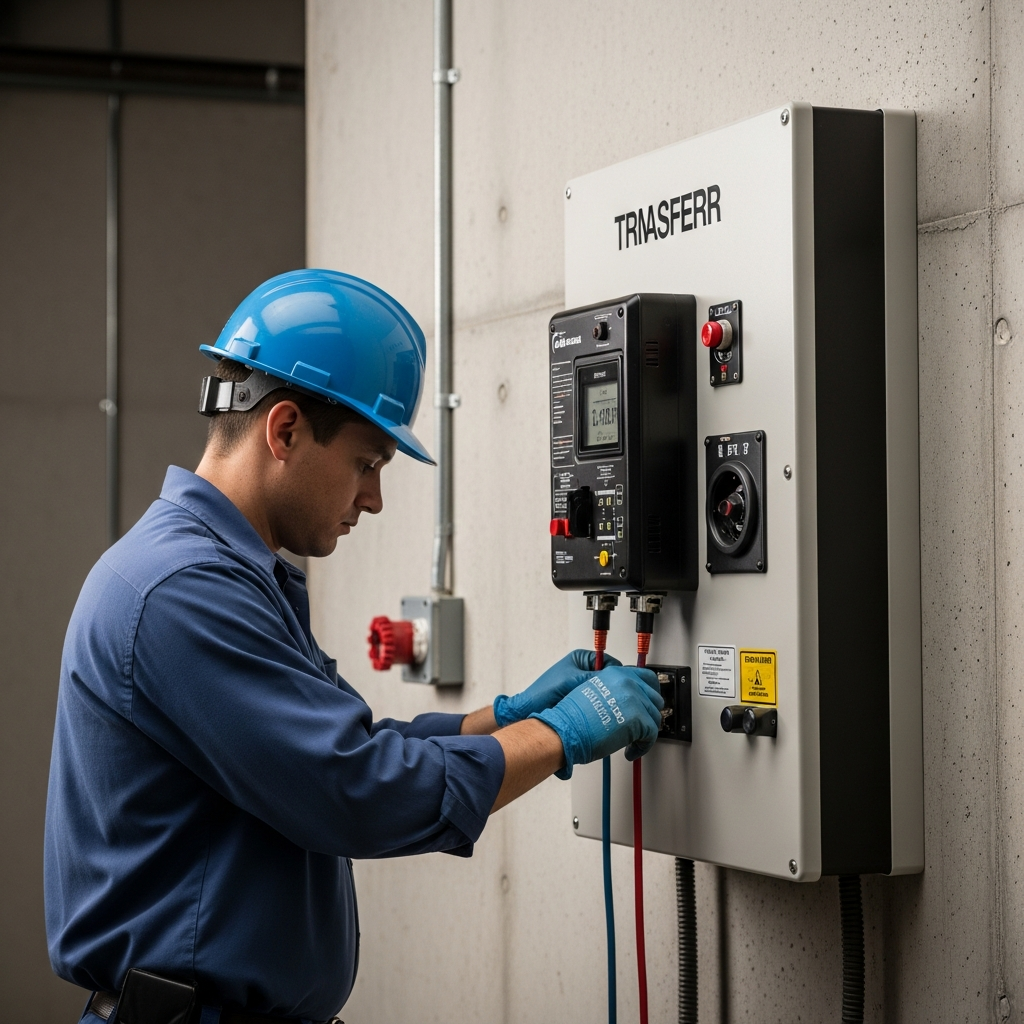
New reporting from Python/C++ library for distribution power system analysis, “The Backup Generator Sat Idle — Until the Grid Actually Failed” points to a bigger shift in how commercial properties have to think about grid stability. The grid is not as predictable as it used to be. Waiting until the lights actually go out is a bad time to find out your transfer switch never worked correctly.
Honestly, the part most owners underestimate is load planning. A commercial generator installation is not just dropping a unit on a pad. It is sizing for real continuous load, coordinating with the panel and making sure the service entry can actually carry the transition cleanly. Skip that and you get a generator that runs but cannot hold the building.
If your last test was a five-minute idle with no load bank, you do not really know what it will do. And that is the part you find out the hard way.
steelcityelectricfl.com/generator installation