A dental office in Bradenton, mid-afternoon on a hot Friday. The lights flicker once, then again. The generator out back is supposed to handle this kind of thing. It doesn’t. The receptionist looks at the front desk monitor as it goes black, and nobody in the building is sure what happens next.
A backup generator only matters if it actually kicks on when the grid drops. Plenty of owners assume theirs will, then find out otherwise around 4pm on a Friday with a freezer full of product and a waiting room full of customers.
What happens when a system built to take over just doesn’t? That’s the concern behind seattlepi.com, “Passengers stranded in moving traffic after robotaxi outage in China’s Wuhan”. More than 100 Baidu robotaxis stopped running from a system malfunction, leaving people stuck in live traffic until police pulled them out. Different setting, same lesson. A backup or fail-safe is only as good as the last time someone actually tested it under load.
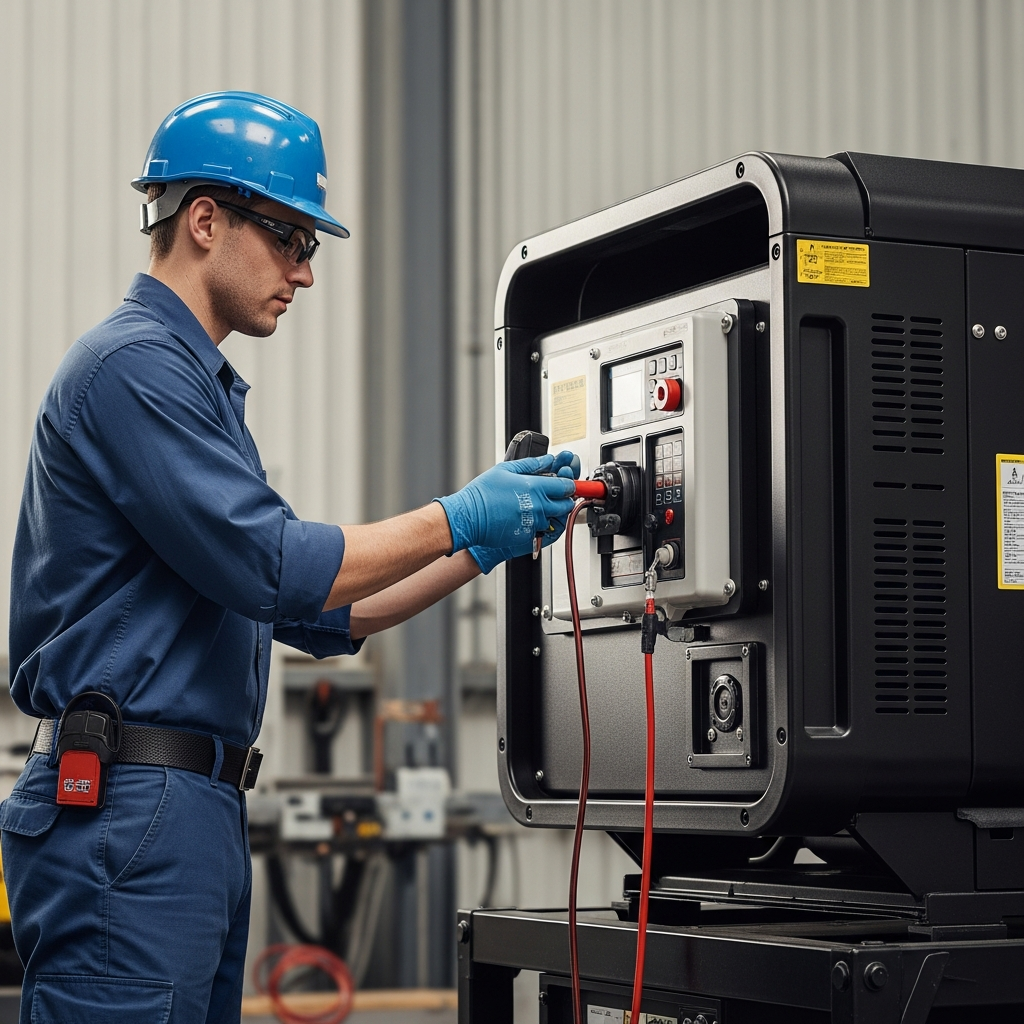
In our experience around Sarasota and Bradenton, the generators that fail are rarely broken. They’re neglected. Old fuel sitting in the tank, a transfer switch that was wired in years ago and never load-tested, a battery that quietly died last summer. A real commercial generator installation is not a one-time event. It needs honest sizing for your actual load, a transfer switch that matches the building and a service rhythm after that.
If your panel is already maxed out, the generator won’t save you. It’ll just expose the weak spot. That’s why a panel upgrade or a new electrical service often has to come first. And when something does go sideways at 2am, emergency repair should be a phone call, not a guessing game.
Test it before the storm. Not during.
steelcityelectricfl.com/generator installation