A quiet office park off State Road 64, somewhere past midnight. The HVAC hum drops a half-step, the parking lot lights flicker once and a security panel beeps in a way nobody on site recognizes. Small things. The kind of small things that usually mean something bigger is about to ask a question your backup system may not be ready to answer.
The call came in around 4 a.m. A property manager in Bradenton had a backup unit that hummed for a few seconds and then quit. The grid had dropped, the building was dark and the system meant to carry critical circuits did almost nothing.
What happens when something far outside your control takes down power for hours and a commercial property finds out its backup was never really tested? That’s the kind of fragile-uptime question echoed in PBS NewsHour, “Yemen’s Houthis claim first missile attack on Israel since war began”, where a single regional event reminded plenty of facility owners how quickly outside pressure can ripple into power reliability at home.
Most failed standby calls we run into across Manatee and Sarasota aren’t generator problems. They’re install problems. Wrong transfer switch sizing, no real load calculation, exhaust paths sitting too close to fresh-air intakes, fuel lines that were never bled correctly. A unit can look perfect on the pad and still fail at the worst possible moment.
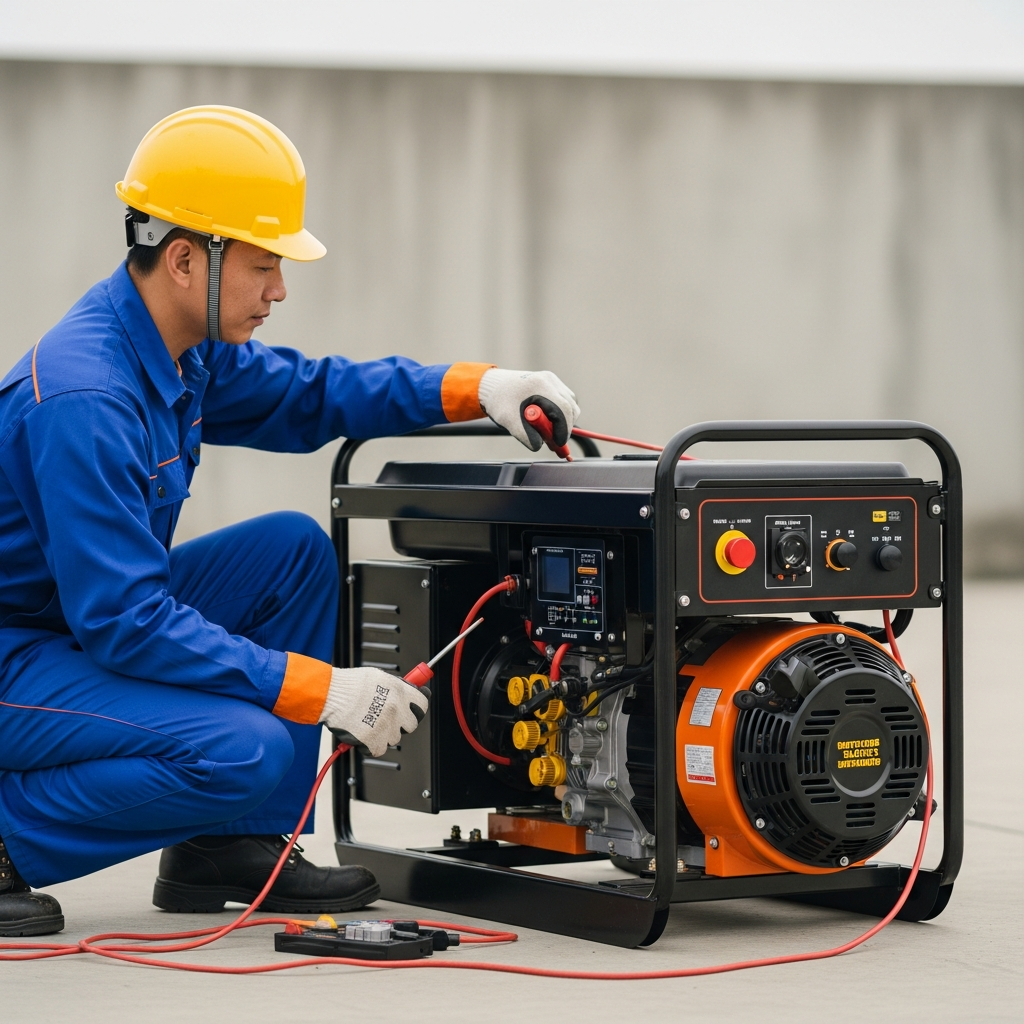
A proper commercial generator installation is more than setting a machine next to the building. It’s load planning, ATS coordination, fuel reliability and a startup sequence tested under real conditions, not a ten-second self-test on a Tuesday morning.
If your last full-load test was over a year ago, that’s already too long to wait.
steelcityelectricfl.com/generator installation