Most people never think about what’s under the parking lot until something stops working. A loading dock goes quiet, half a building drops offline, and somebody ends up staring at a slab of concrete wondering where the feeder actually runs. That’s usually when we get the call.
Picture a logistics yard in Bradenton losing power during peak hours because a buried feeder finally gave up after years of moisture intrusion. That kind of risk is why the recent seattlepi.com, “Passengers stranded in moving traffic after robotaxi outage in China’s Wuhan” story matters more than it looks. A system failed, nobody knew where to start, people were stuck. Different industry, same problem. When the infrastructure underneath fails, the response is only as good as the documentation.
Here’s the part I’ll say plainly. A lot of commercial properties around Sarasota have underground electrical runs nobody mapped properly. Old conduit, mystery splices, direct-buried cable that should’ve been in PVC. When something faults out, the first three hours go to guessing where to dig. That’s not a repair problem. It’s an install problem from years back.
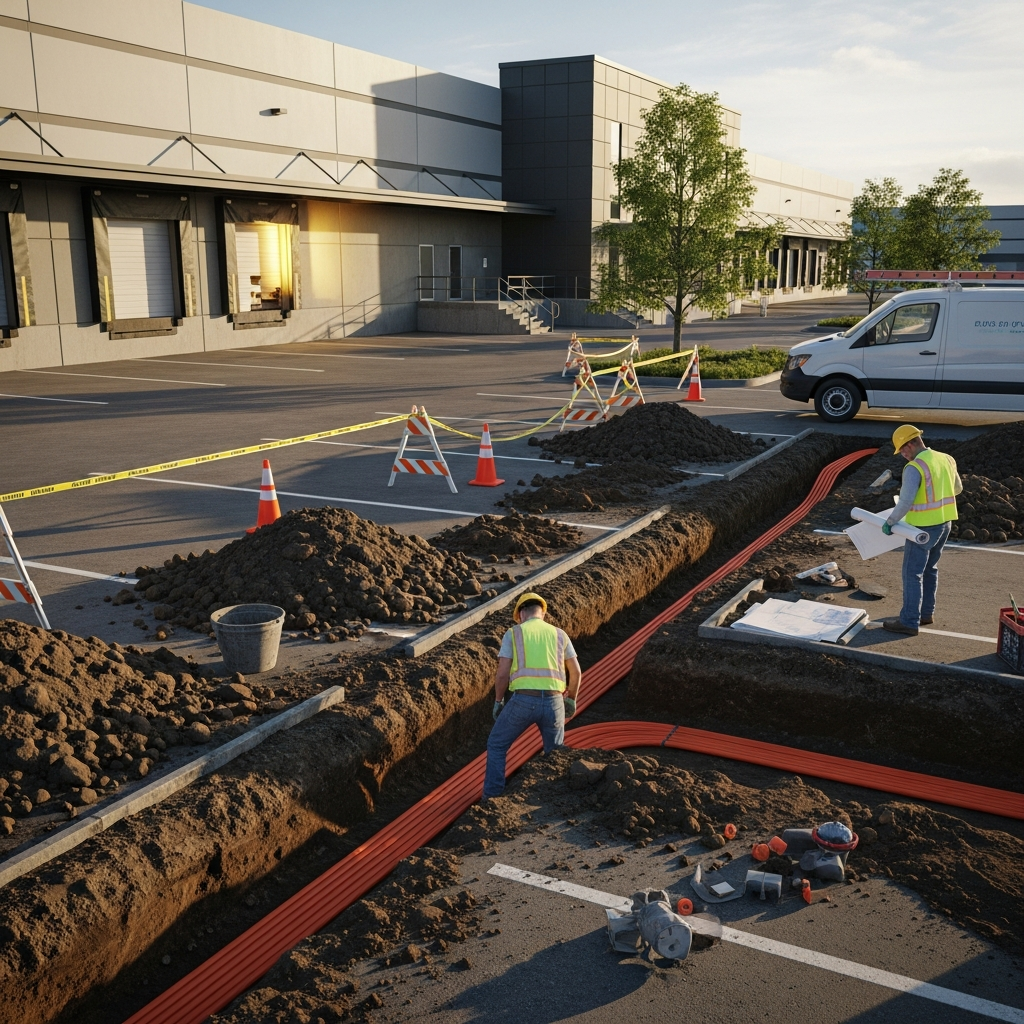
Good underground work isn’t glamorous. Proper trench depth, the right conduit, warning tape, accurate as-builts. Boring under driveways instead of cutting through them. It costs more upfront. But the day a line fails, you’ll know exactly where to start, and the building won’t sit dark while somebody hunts for a feeder that was never recorded.
steelcityelectricfl.com/underground electrical