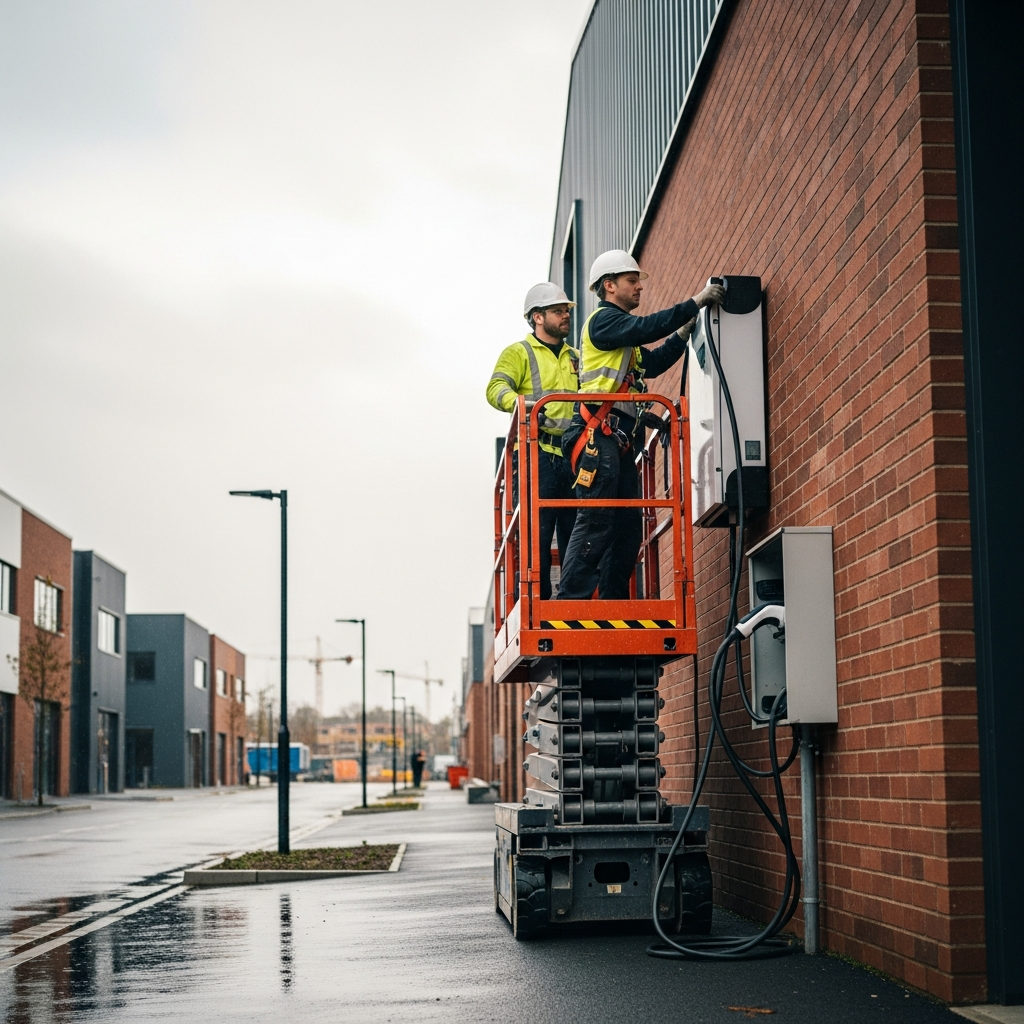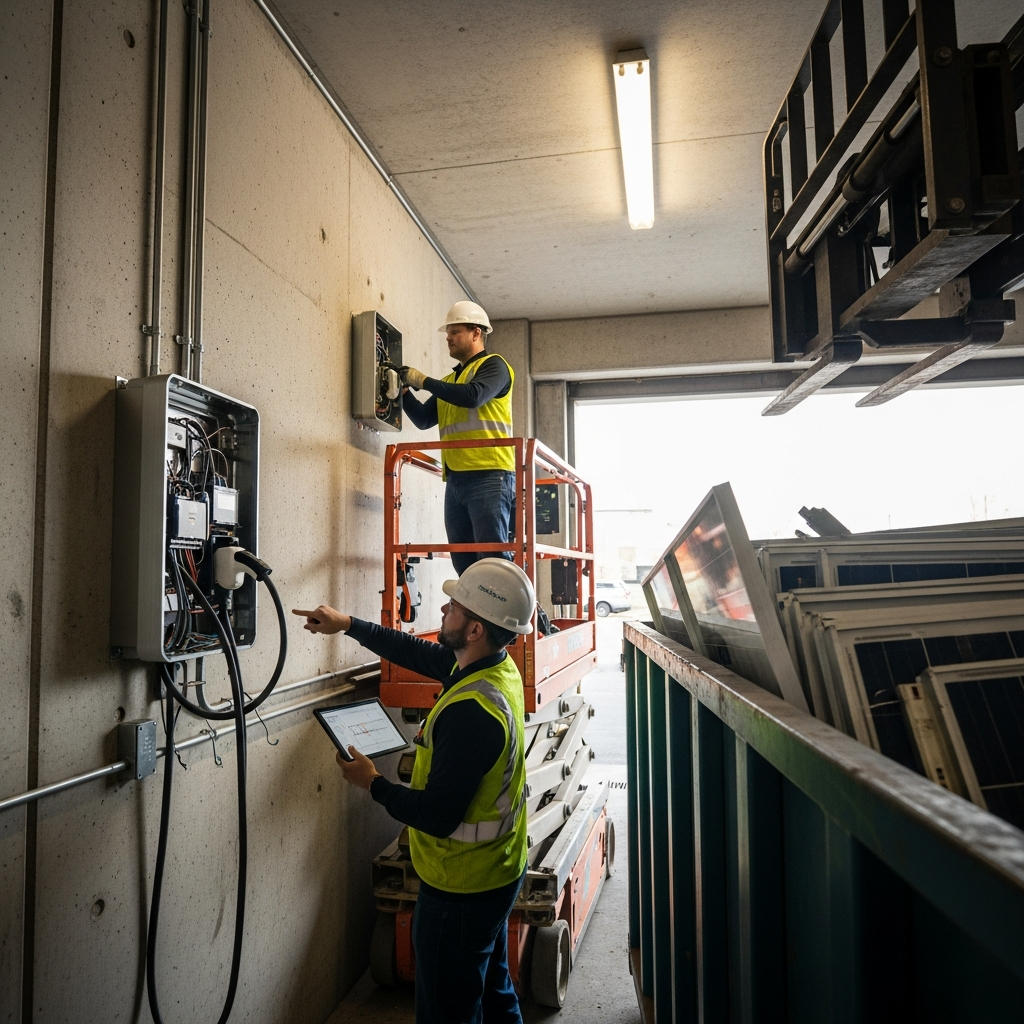
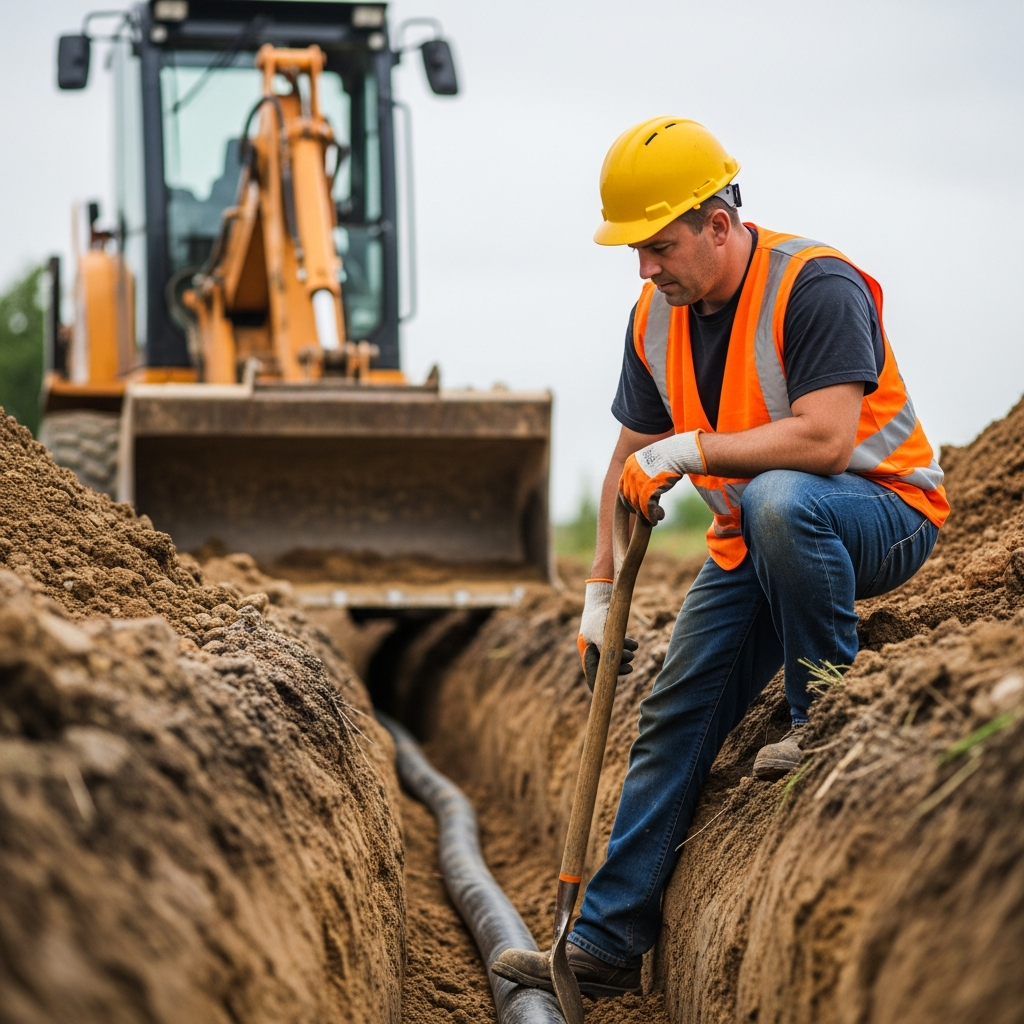
The prints had the line running along the east side of the lot, about four feet down, straight shot to the transformer pad. It wasn’t there. We hit it almost ten feet off, shallower than anyone expected, and on a curve nobody drew. That’s how most commercial underground utility jobs actually go around here. The paper version of the site and the real one rarely match.
The issue raised in economictimes.indiatimes.com, “Trump threatens to ‘completely obliterate’ Iran’s power plants, oil wells and Kharg Island if deal not reached” deals with pressure on energy infrastructure at a global level, but the same tension shows up small-scale on a Bradenton jobsite when a buried feeder isn’t where the drawing claims.
People assume trenching is the easy part. It isn’t. You’re working around old irrigation, abandoned conduit, fiber nobody documented, and sometimes a service line a previous contractor dropped in without calling it in. Locating before digging is not optional. I’ve seen crews skip a soft dig to save an hour and end up with a torn jacket on a 3-phase feeder, which then turns into an emergency repair call at 11pm.
If you’re planning a new build or expanding a site, treat the underground as the part most likely to surprise you. Because it will.
steelcityelectricfl.com/underground electrical