Walk into a fabrication shop around 2 p.m. and you can usually tell when something’s off before anyone says a word. The hum is wrong. A press cycles, then hesitates. An operator glances at a panel, taps a breaker, waits. Nobody’s panicking yet, but the rhythm of the floor has shifted, and that small shift is almost always the first sign that the electrical system is being asked to do more than it was built for.
When a production line goes quiet in the middle of a shift, the cost adds up faster than most owners want to admit. Idle operators, missed orders, cooling product sitting in mid-process. The frustrating part is that the cause usually isn’t dramatic. It’s a system that was never built to carry what the facility is actually pulling today.
New reporting from cnet.com, “The Waggle Pet Temperature Sensor Dropped to Its Lowest Price Ever For Amazon’s Spring Sale” points to how connected equipment keeps multiplying inside commercial spaces, and that same pattern is showing up on plant floors across Manatee and Hillsborough. More sensors, more controls, more machines feeding off feeders that were sized years ago for a smaller operation.
Honestly, most of the shutdowns I see aren’t about one bad motor. It’s the layout. Undersized conduit runs, mixed control circuits sharing space with high-load gear, no real plan for expansion. A proper industrial electrical installation sets the building up so adding a press or a CNC down the road doesn’t take the whole line offline.
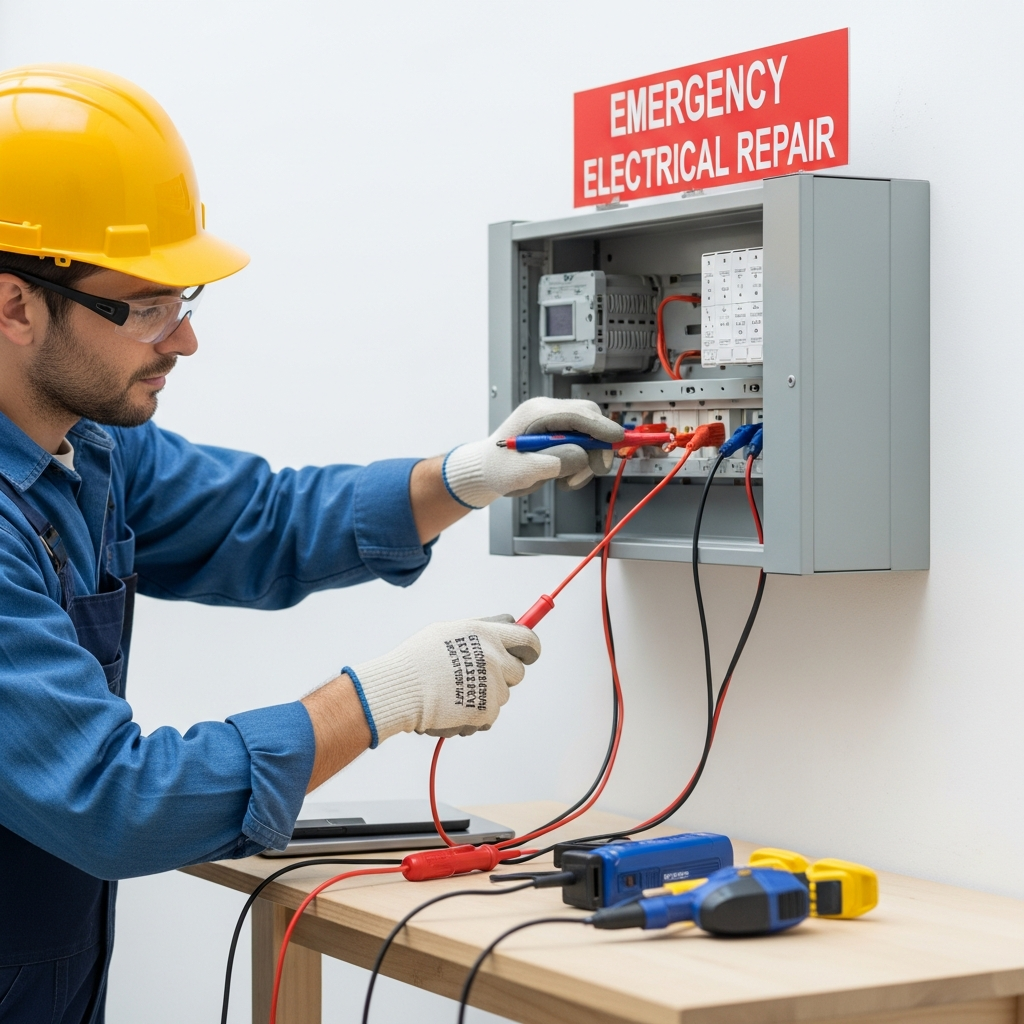
If your machinery already keeps tripping or coming back slow, the install isn’t the only fix. Sometimes you need industrial electrical repair first, then a real buildout. Pushing equipment past what the system was designed for isn’t saving money. It’s borrowing against the next breakdown.
steelcityelectricfl.com/industrial electrical