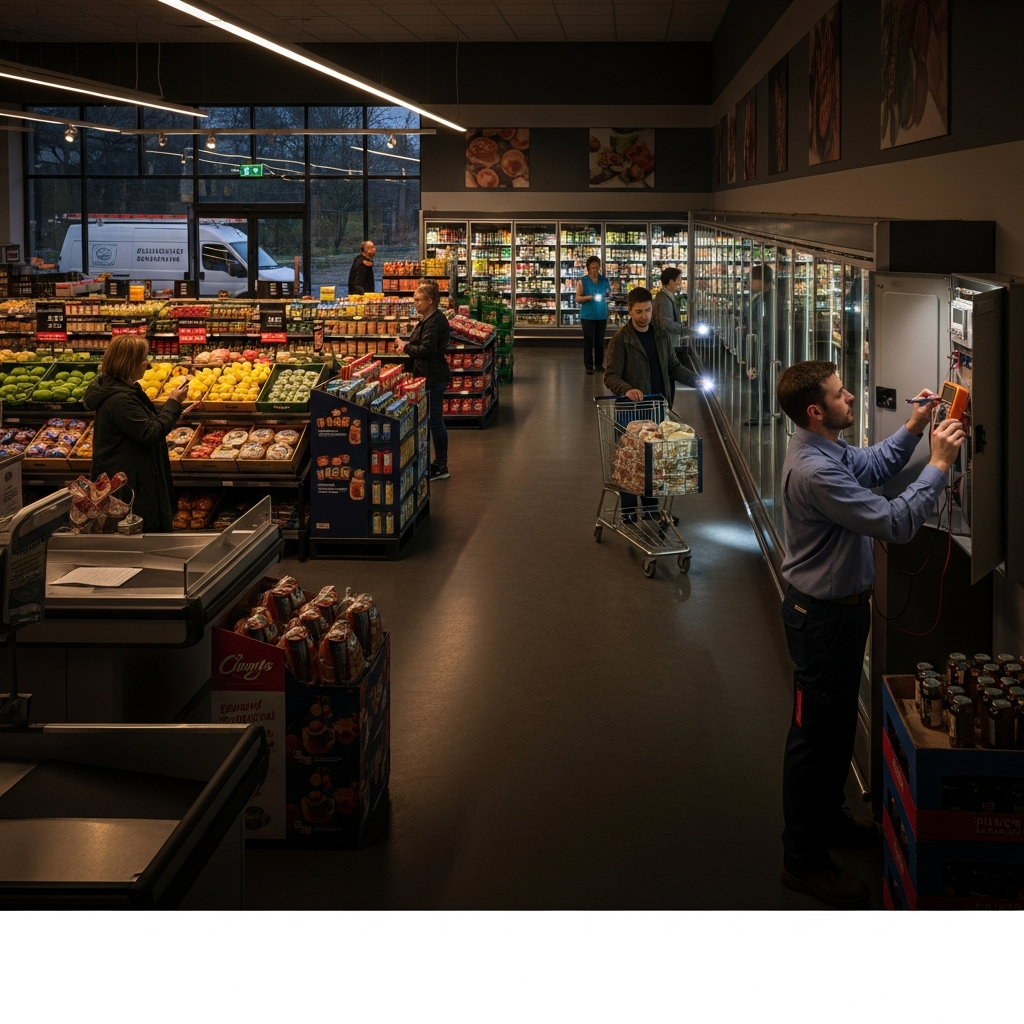
A shop owner walks into the back bay on a Tuesday morning and notices the overhead lights dip, just for a second, right as the compressor kicks on. Not enough to stop work. Not enough to call anyone. But it keeps happening, and after a few days it’s hard to ignore.
That’s the part nobody warns you about when new equipment shows up. The panel that’s been running your shop for fifteen years isn’t always ready for what you just plugged into it. It looked fine on paper. Breakers held. Nothing tripped during the install. Then a week in, the lights in the back bay started dimming every time the new compressor cycled on.
A recent pypi.org, “power-grid-model-io 1.3.69” lines up with what many business owners are starting to experience in their own buildings. Modeling load behavior is one thing. Watching a real panel struggle under added demand is another.
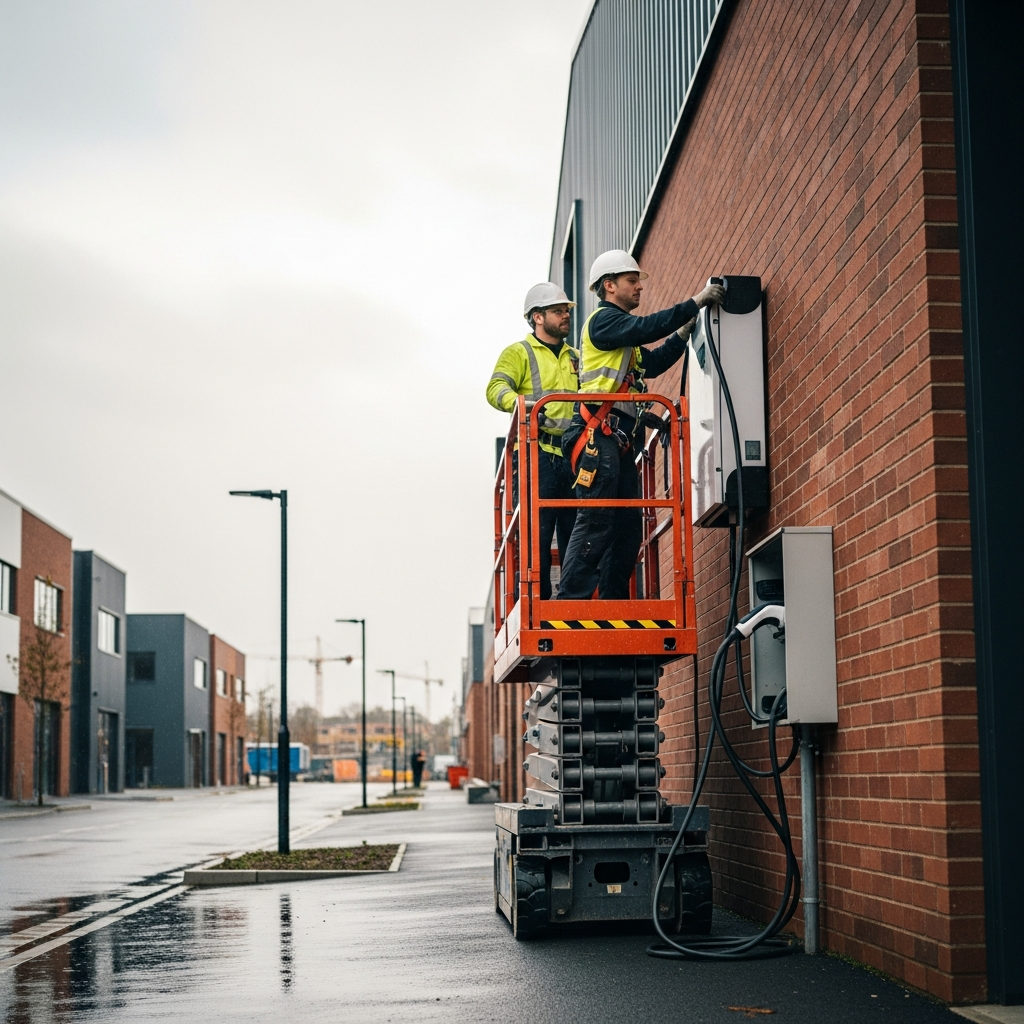
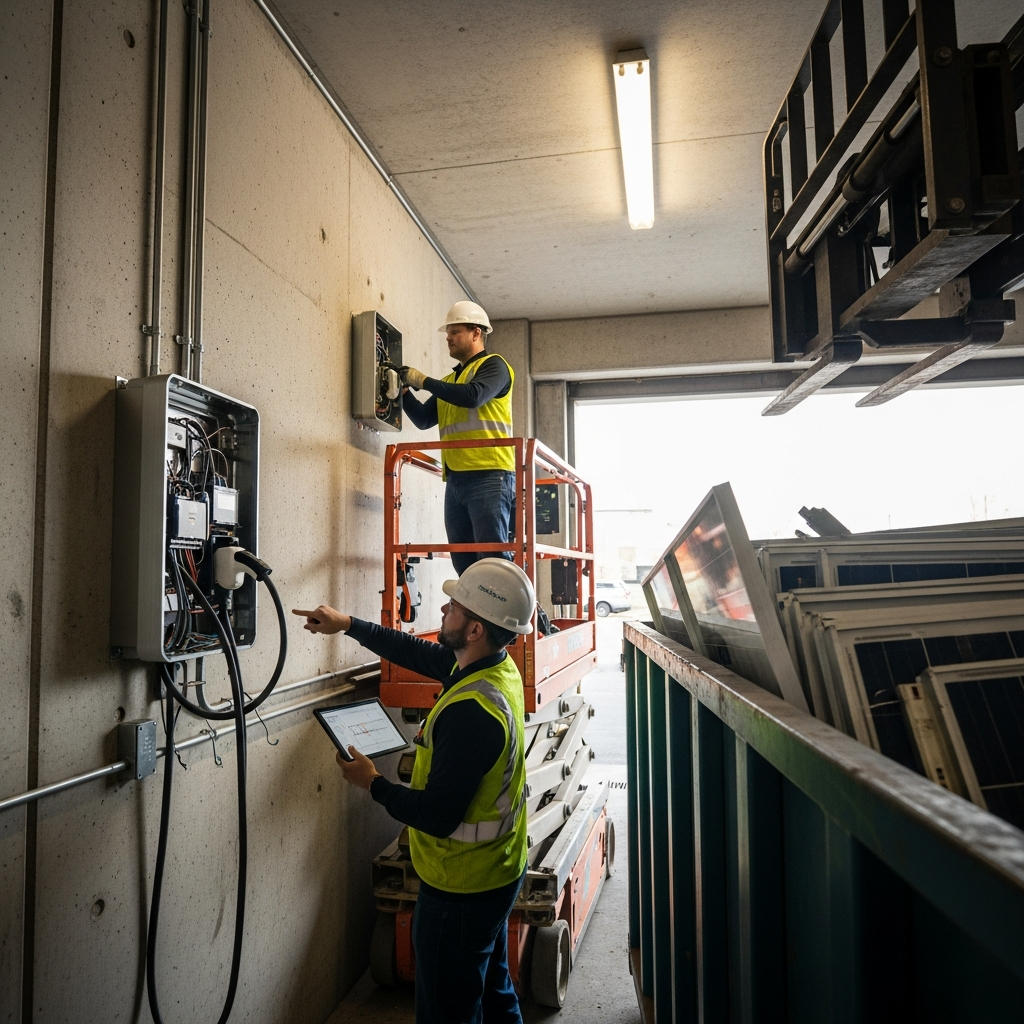
Older panels weren’t built with today’s equipment in mind. New HVAC units, larger motors, EV chargers, extra production lines all pull harder than the gear from a decade ago. Honestly, most of the panels we see in Manatee and Hillsborough properties are still wearing their original breakers. When someone calls about flickering lights or a breaker that keeps nuisance-tripping, the issue usually traces back to a [panel that’s maxed out](https://steelcityelectricfl.com/commercial-electrical-panel-installation-upgrades/), not the new equipment itself.
If you’ve added load recently, it’s worth a look before something gives. We handle [emergency calls](https://steelcityelectricfl.com/24-7-commercial-emergency-electrical-repair/) when things go sideways, but a planned [service upgrade](https://steelcityelectricfl.com/new-electrical-service-installation/) is always the cheaper route.
steelcityelectricfl.com/commercial-electrical-panel-installation-upgrades-blog