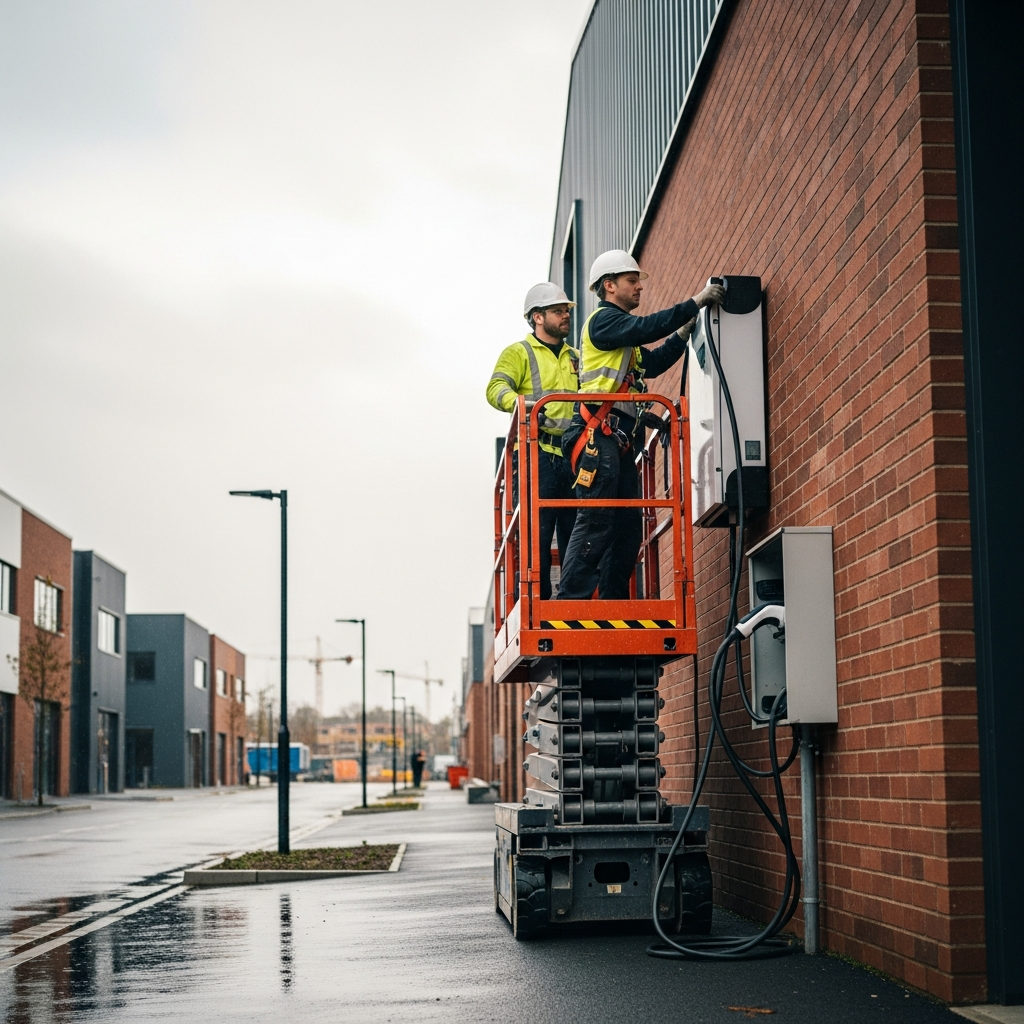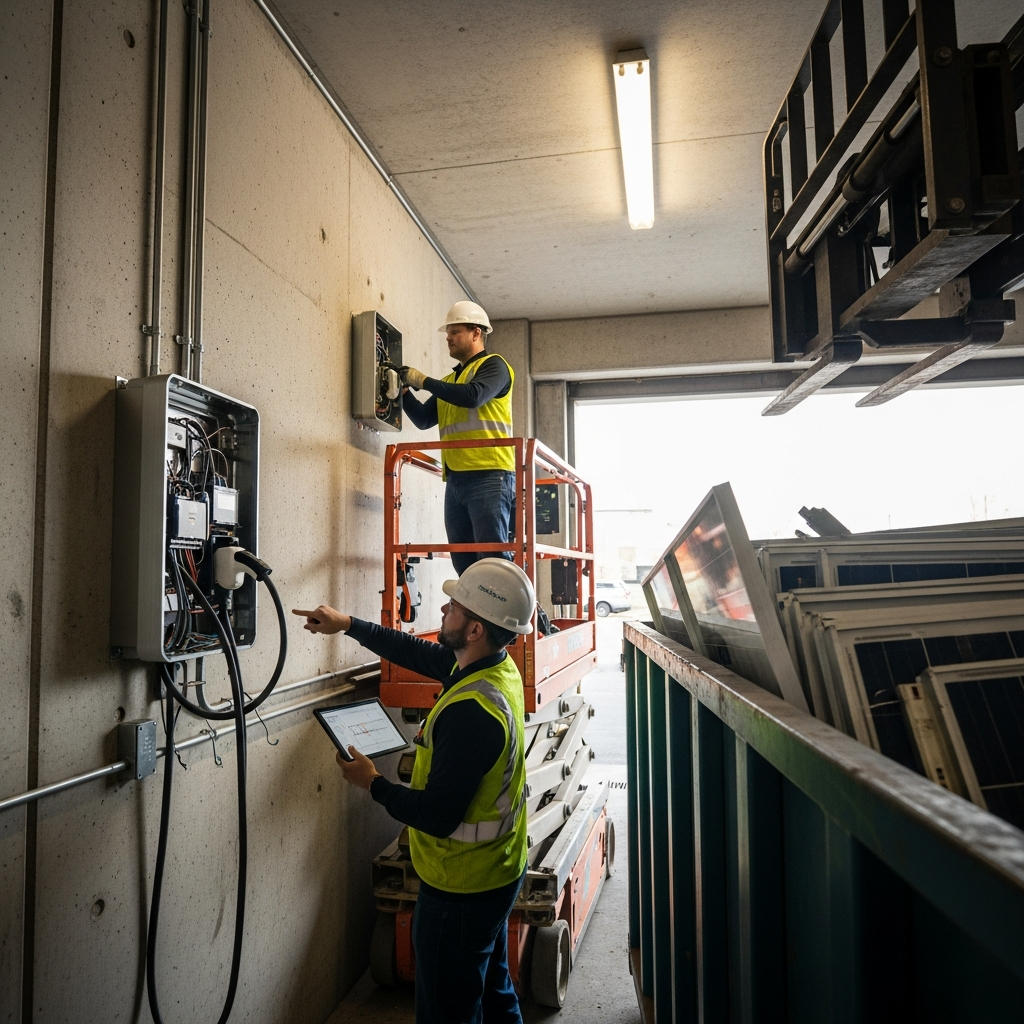

A warehouse off Adamo Drive runs the same way it has for a decade. Lights on at six, compressors cycling, the back office humming along. But around two in the afternoon, the main breaker trips. Not every day. Just often enough that the manager started writing it down on a sticky note by the panel.
Most panel problems I get called out for don’t start with the panel. They start with something new getting plugged in. A new compressor, a bigger HVAC unit, an extra production line, sometimes just a few EV chargers added to the back lot. The panel handled the old load fine for years. Then the new equipment comes online and suddenly breakers are tripping at 2pm every afternoon.
Here’s the part business owners don’t always want to hear: a panel that was “fine” was usually fine for the load it had. Add 30% more demand and that same panel is now running hot, tripping under heat soak, or showing nuisance trips that aren’t really nuisance at all. They’re warnings.
You can see the same trend in rac.co.uk, “The road to electric – in charts and data [UK]”, where demand keeps pushing systems harder than they were designed for. The numbers point one way. More load, more chargers, more equipment with a lot of older service gear quietly working past its comfort zone.
If you’ve added equipment in the last year and noticed flicker, warm breakers, or resets that weren’t happening before, it’s worth a look at your panel capacity before scheduling the next install. Same goes for anyone planning EV chargers or a new industrial circuit. The panel rarely fails on day one. It fails the Tuesday after you forgot you added anything.
steelcityelectricfl.com/commercial-electrical-panel-installation-upgrades-blog