Walk a job site in Bradenton on a Tuesday morning. The slab crew is prepping forms, the plumber is already laying out his rough, and the HVAC contractor is unloading sleeves. Nobody has called the electrician yet. That gap, the quiet stretch between groundbreaking and the first conduit run, is usually where the trouble starts.
Most of the wiring problems I get called in to fix on commercial builds didn’t start during framing. They started before the slab was poured, when nobody pulled an electrical contractor into the planning meetings early enough. By the time the crew breaks ground, the rough-in window is already tight and the conduit paths have to fight around plumbing and HVAC that got there first.
Industry reports keep landing on the same pressure point: power-grid-model-io 1.3.67, “They Broke Ground Last Month — The Wiring Was Already Behind”. For builders working in Manatee or Sarasota, the takeaway is immediate. Electrical can’t be the last trade invited to the table.
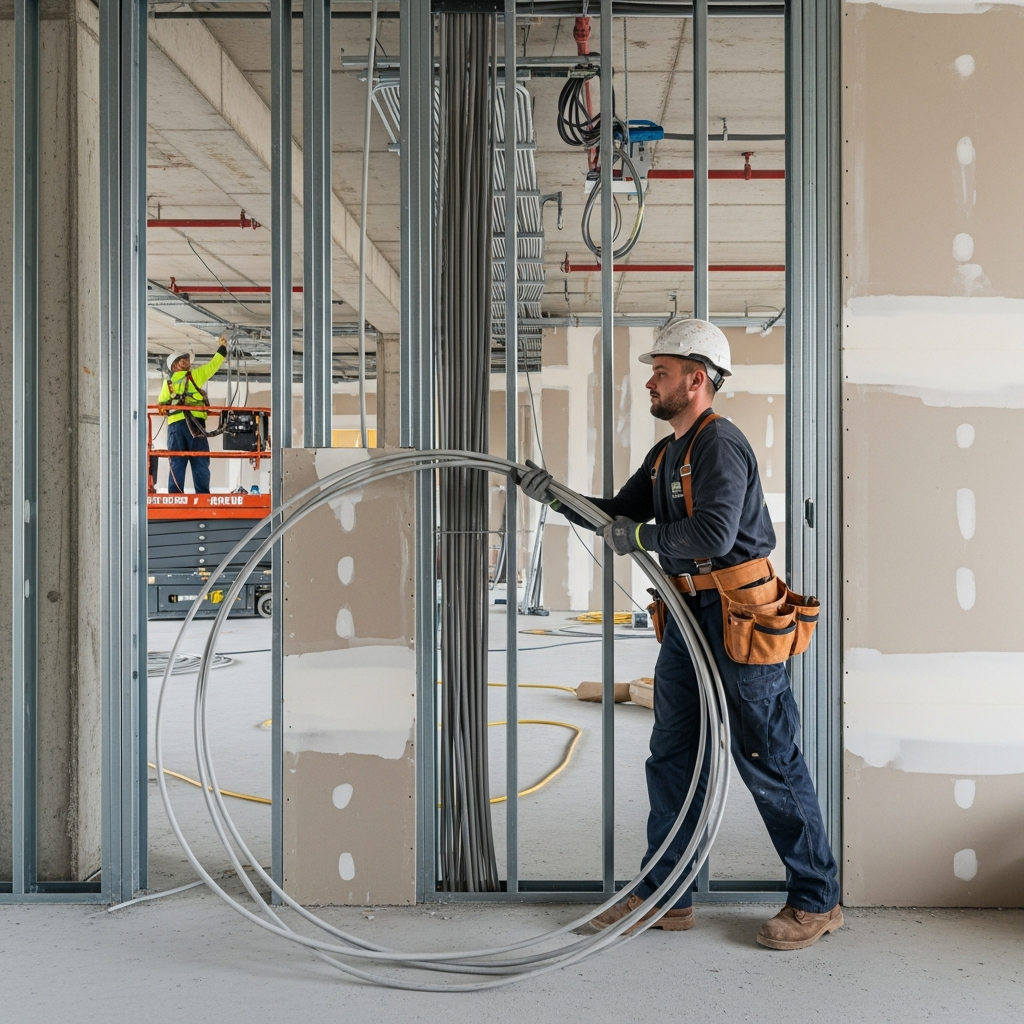
Honestly, the part that frustrates me most is the assumption that commercial new construction wiring can be figured out on the fly. It can’t. Service capacity, panel locations, conduit routing, low-voltage pathways — all of it should be mapped before the first trench. When it isn’t, you end up tearing out work, delaying inspections, or undersizing the service entry for what the tenant actually plans to run.
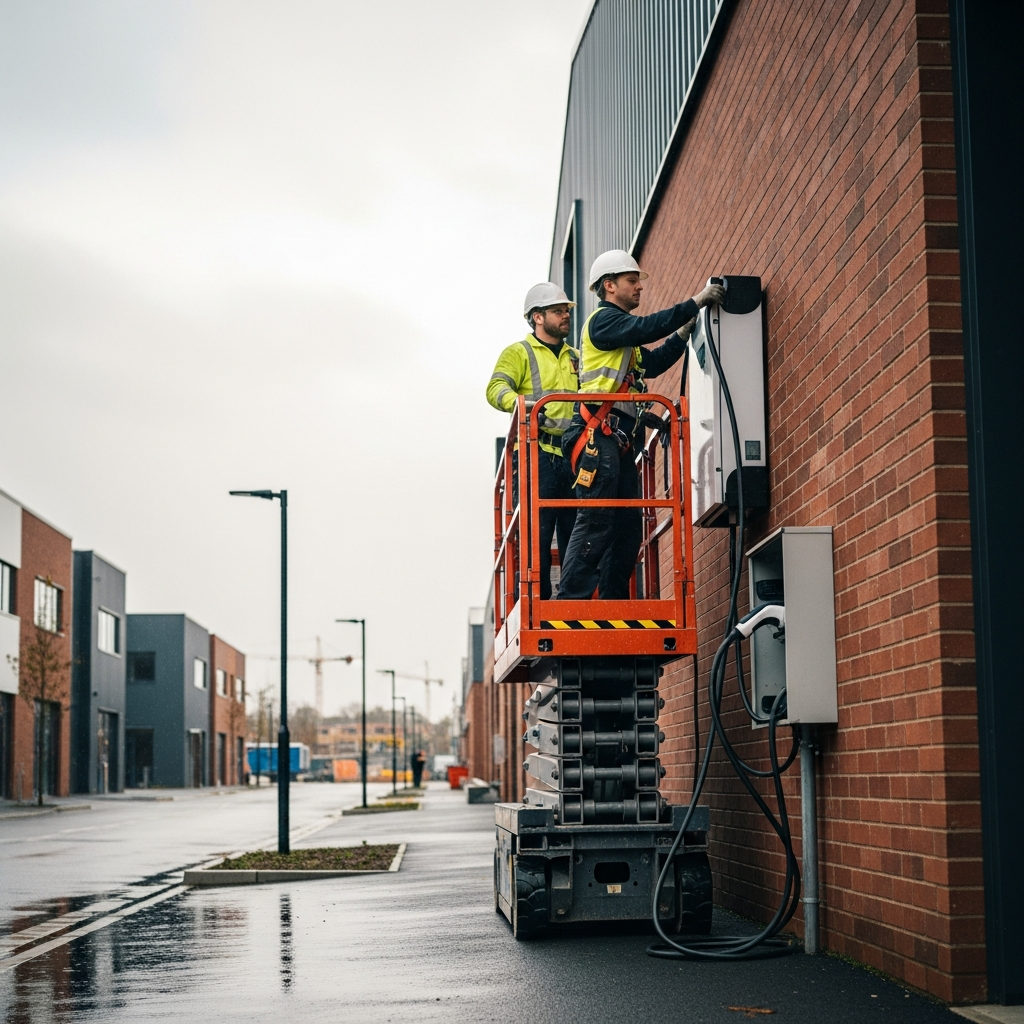
If the building will eventually need EV charging or heavier industrial loads, plan for that capacity now. Retrofitting a finished building costs three or four times what roughing it in correctly would have. Bring the electrician in early. The schedule depends on it.
steelcityelectricfl.com/new construction electrical