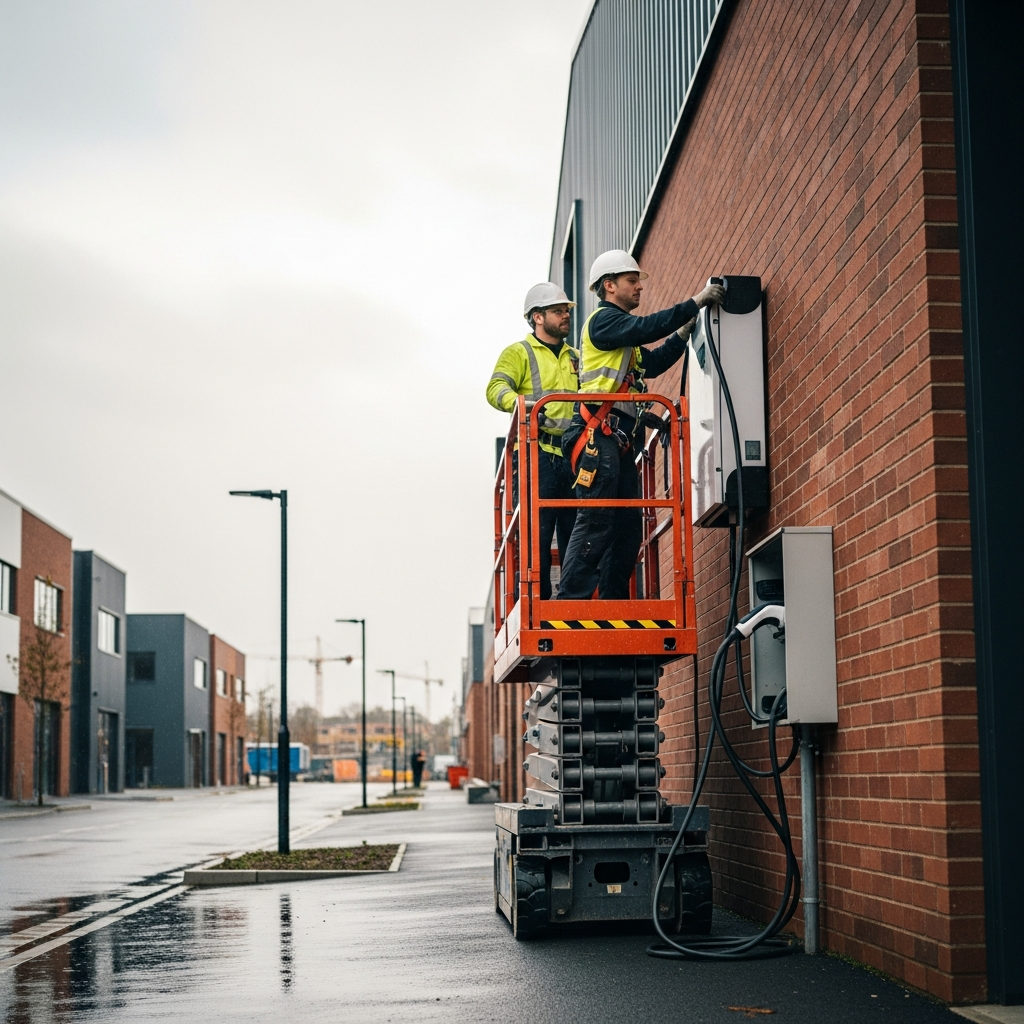

Walk into a half-finished retail fit-out on a Tuesday afternoon and you can usually tell within ten minutes whether the electrical was thought through or treated as an afterthought. The conduit runs are a giveaway. So is the panel sitting in a spot nobody can reach without a ladder and a bad attitude.
Most of the wiring problems we get called in to fix on commercial buildings were not caused by age. They were baked in on day one. Somebody framed the walls, poured the slab, hung the drywall, and only then started thinking seriously about how the electrical was supposed to support the actual business going inside.
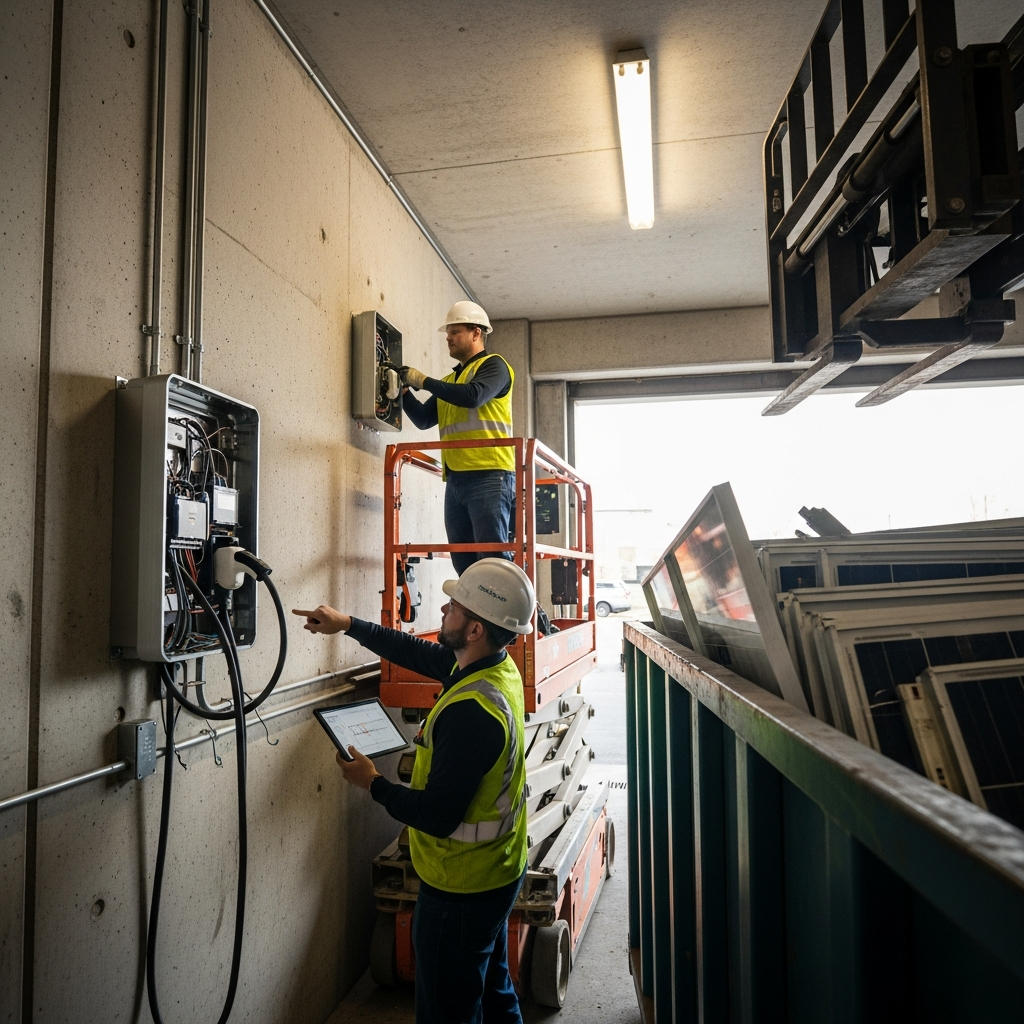
New reporting from ABC News points to a bigger shift in how buildings handle long-term electrical planning. ABC News, “Australia expected to create more solar panel waste by 2030” talks about 90,000 tonnes of panel waste hitting landfill yearly by 2030, and it’s a quiet reminder that what gets installed today decides what gets ripped out tomorrow. Same logic applies to the rough-in inside a building.
Honestly, the cheapest part of commercial new construction is getting the conduit, panel locations and circuit layout right while the walls are still open. Once the ceiling grid goes up, every change costs three times more. We’ve walked into spaces where the tenant needed extra capacity for kitchen equipment or server racks, and the only fix was a full new electrical service or a panel rebuild that should have been planned from the start.
Build the load math around what the space will actually do. Not what the blueprint says it might do.
steelcityelectricfl.com/new construction electrical