A tenant walks into their new space on a Tuesday afternoon, lights on, HVAC humming, and everything looks ready. Then the contractor flips on the second rooftop unit during a walk-through and the panel barely holds. Nobody panics. But you can tell something is off, and the room gets quiet for a second while people do the math in their heads.
Signing a lease feels good until someone shows up with a clipboard asking about service capacity. By then the rent is locked, the buildout schedule is set, and the tenant is already planning equipment loads the existing service was never sized to handle. That is the part most people skip. It is also the part that costs the most to fix later.
Electrical demand is shifting faster than many buildings can keep up with. That’s the real story behind the latest pbs.org, “Yemen’s Houthis claim first missile attack on Israel since war began” coverage, where global pressure points keep reminding us how fragile assumed-stable systems really are. The same idea applies inside a commercial property. What looks fine on paper often falls short once real operations begin.
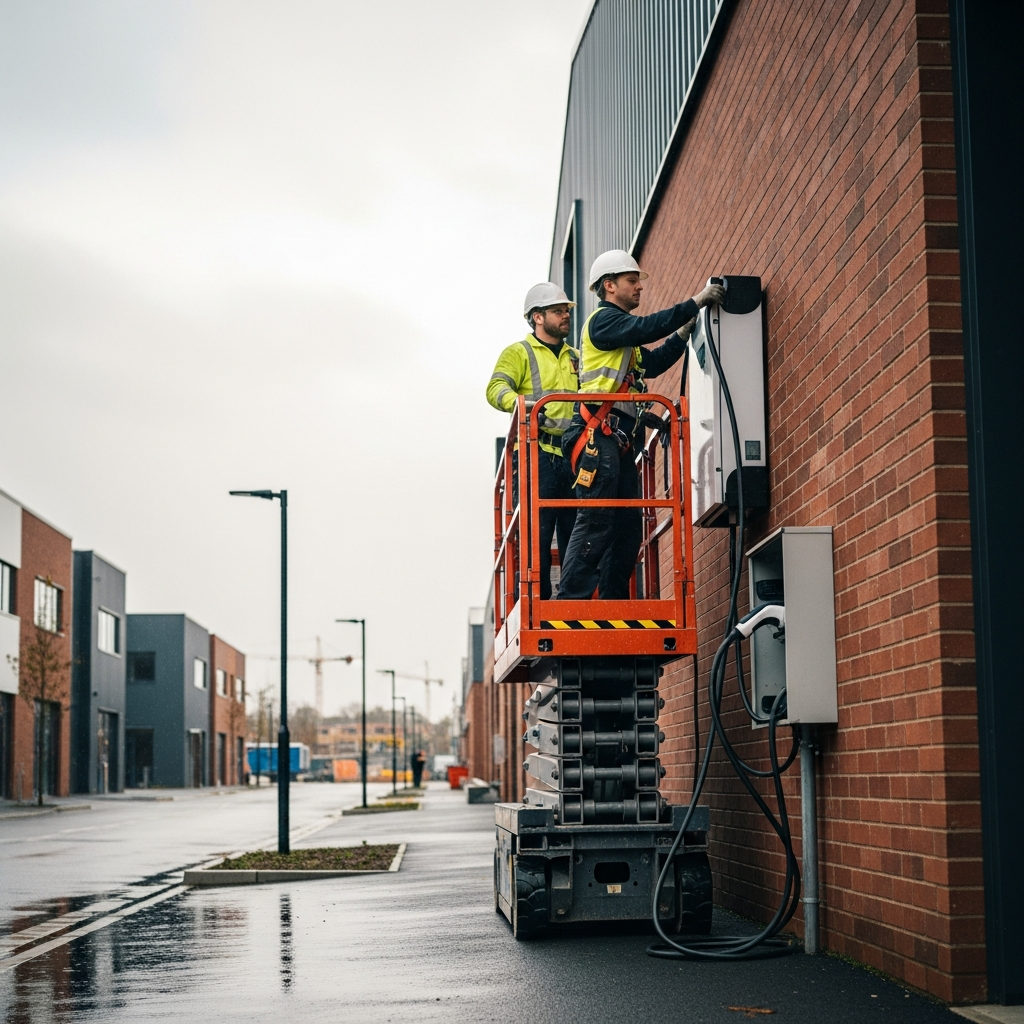
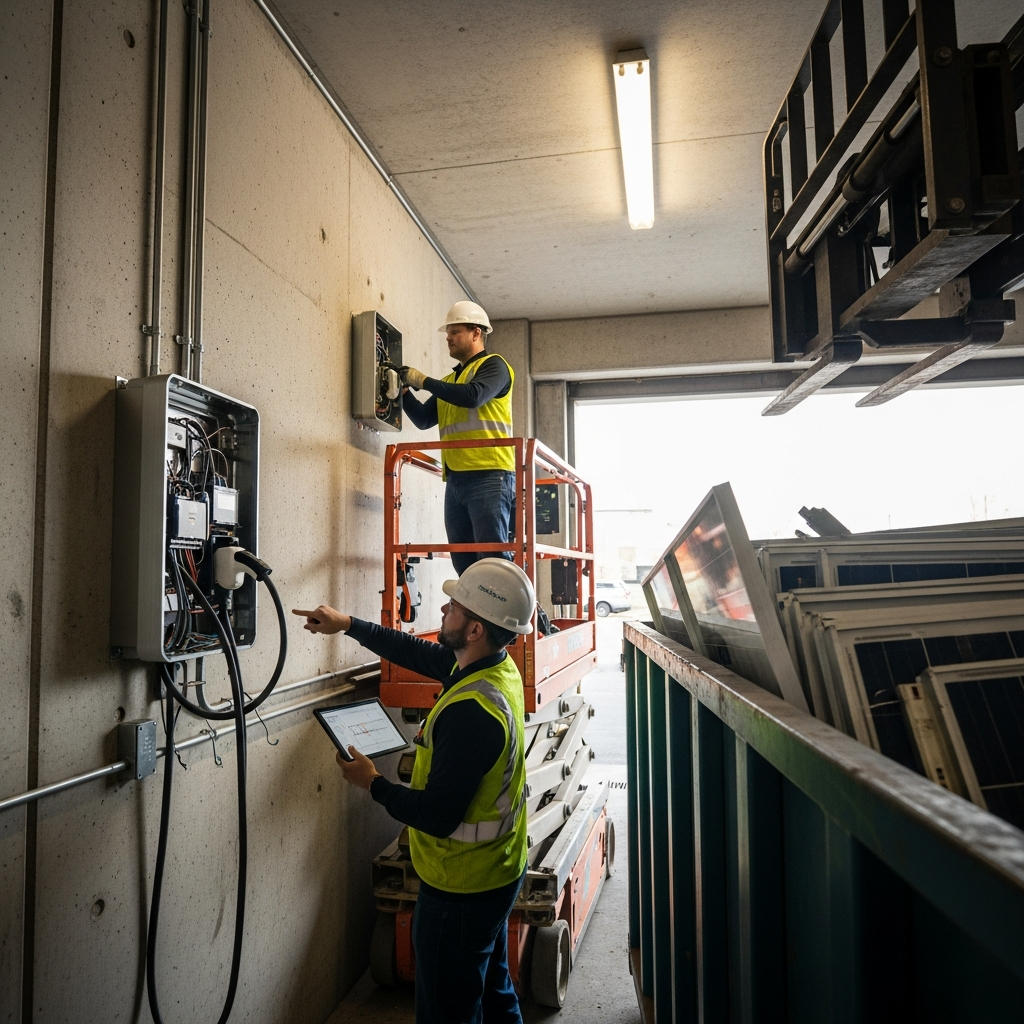
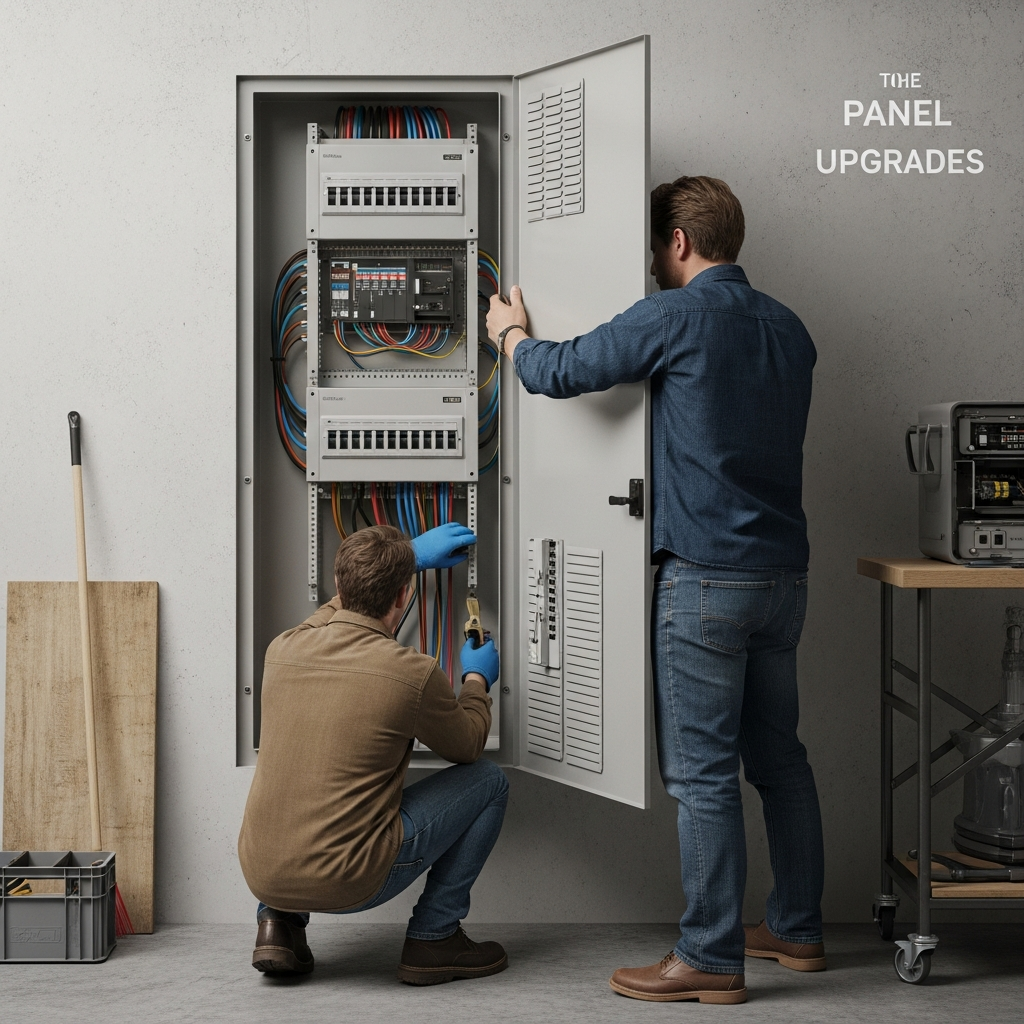
A proper new electrical service installation starts with the utility connection, the service entry, and the actual capacity the building needs, not what it had ten years ago. Honestly, I think too many tenants assume the landlord handles this. They don’t, usually. If the space was previously a boutique and you’re bringing in kitchen equipment, HVAC additions or production gear, the service has to grow with you. Sometimes that ties into new construction work, sometimes it stands alone. Either way, get the capacity question answered before the lease, not after.
steelcityelectricfl.com/new electrical installation