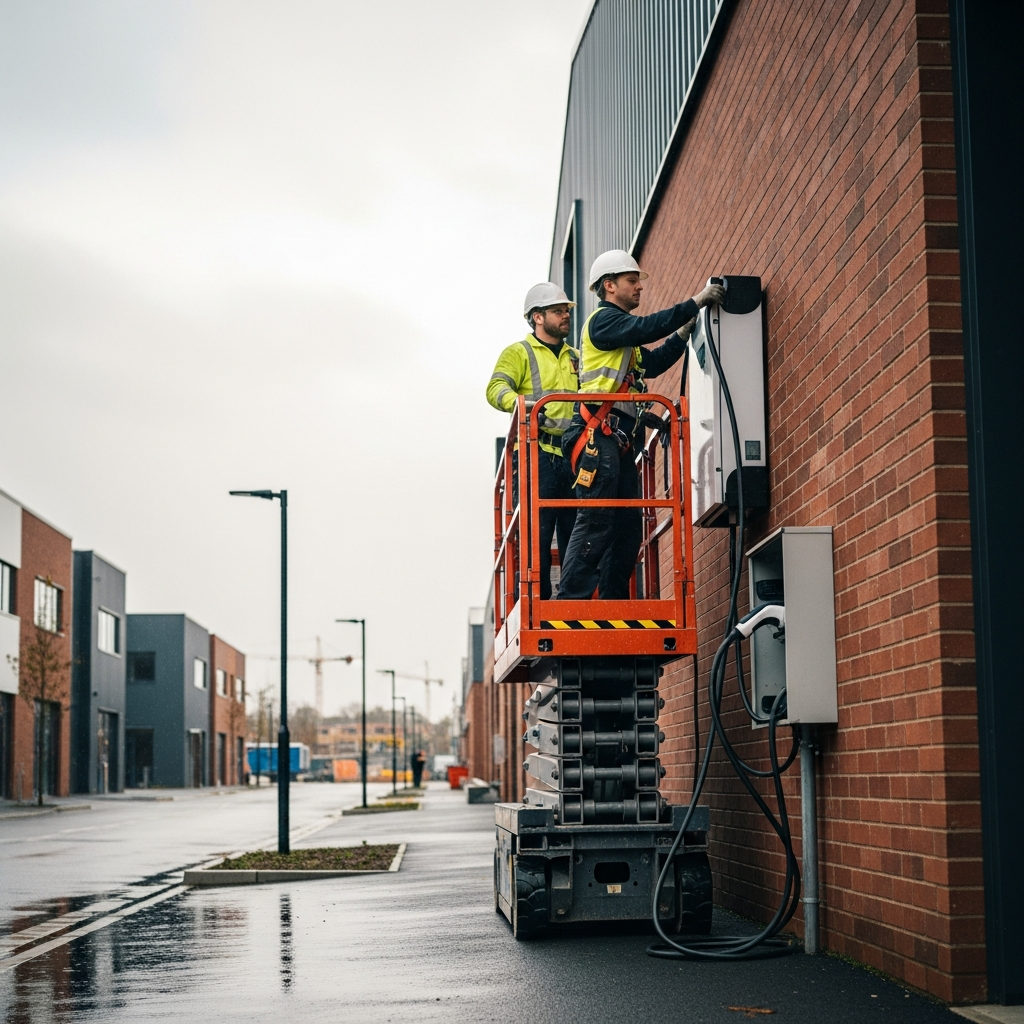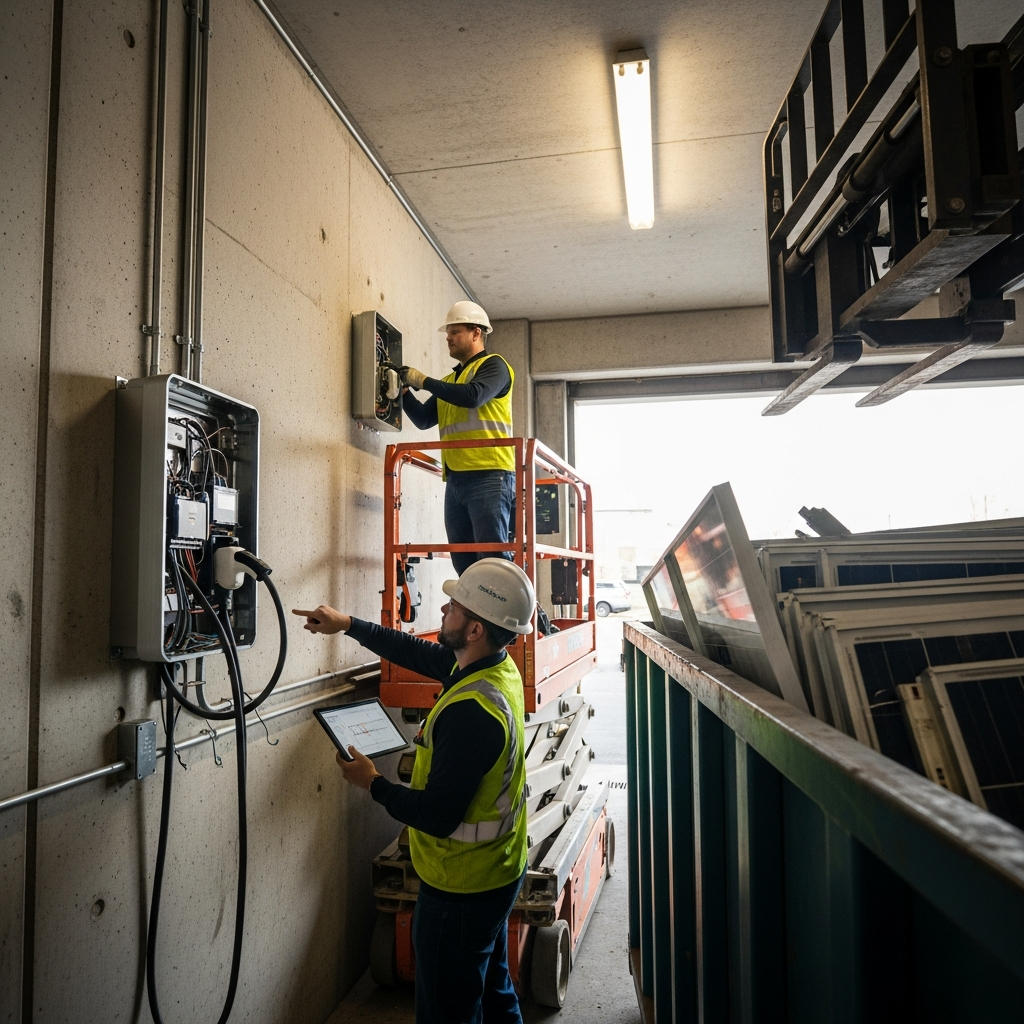
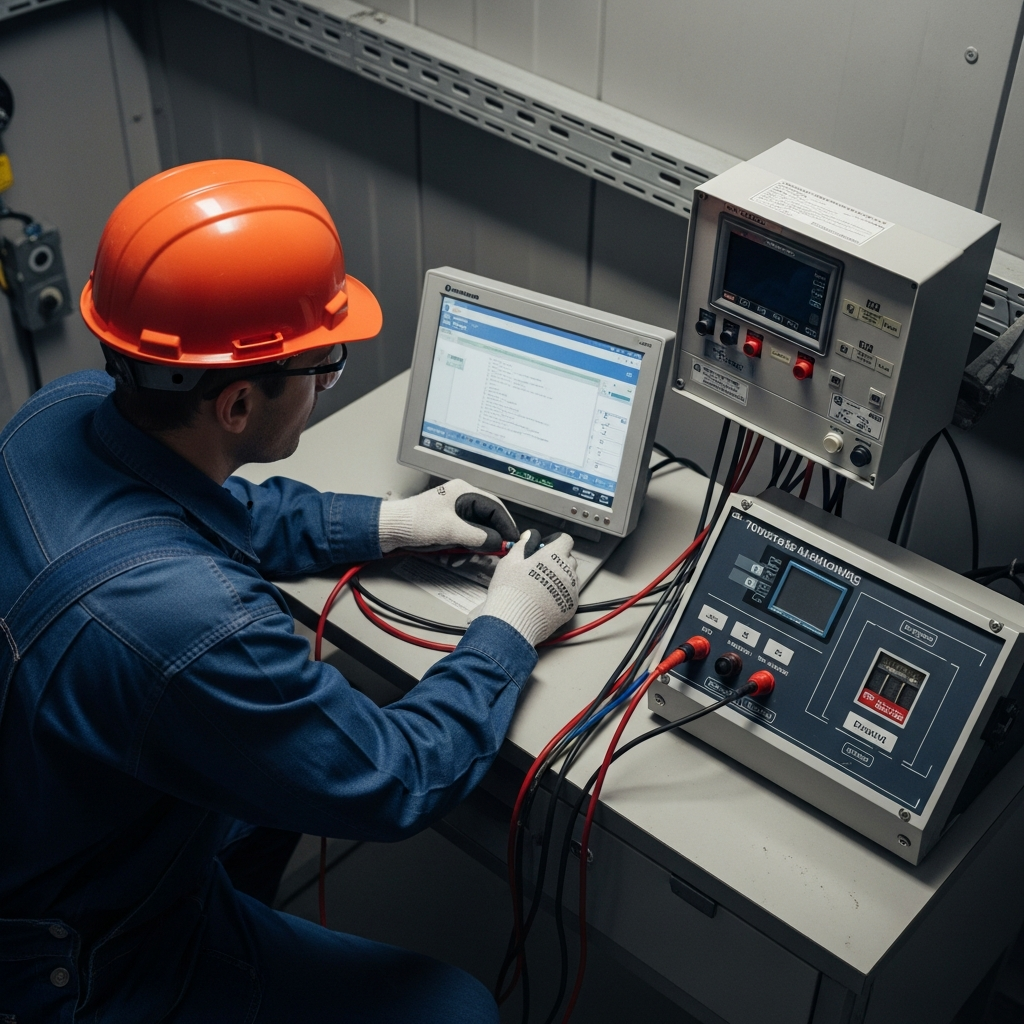
Three machines went down on a Tuesday morning at a fabrication shop off 301. Nobody wanted to call it electrical at first. The shift lead figured it was the machines themselves, maybe a controller issue, maybe a bad run of parts jamming the line. Production stopped on three stations while the rest of the floor kept pushing, which made the problem feel smaller than it actually was.
aljazeera.com, “Living in the dark: Gaza’s struggle for electricity” describes a place where the grid has collapsed and people are stuck running generators and charging stations just to keep going. Different scale, different reason, but the underlying point hits close to home on a shop floor too. When power delivery gets unreliable, work stops. Doesn’t matter if it’s a city or a single production bay in Bradenton.
By the time we got there, the maintenance guy had already swapped out two relays and changed a sensor. None of it mattered. The feed running that section of the floor had a loose lug at the disconnect and heat had been chewing on it for who knows how long. Voltage was sagging under load. The machines weren’t broken. They were starving.
That’s the part that frustrates me. Industrial electrical repair almost always starts as something else first. A controller throwing a fault. A drive that won’t hold speed. A motor that runs warm and trips out an hour into the shift. Operators chase the symptom because the symptom is what they can see. The wiring, the terminations, the feeder, the distribution gear, that stuff is quiet until it isn’t.
We see it in Sarasota and Hillsborough too. Older industrial buildings that got upgraded equipment over the years without anyone really looking at what’s feeding the new loads. Run a bigger CNC, add a second compressor, put in a small oven for finishing work, and suddenly the same panel with the same conductors is working harder than it was ever sized for. Nothing fails dramatically. It just degrades.
A loose connection doesn’t announce itself. It heats, cools, expands, contracts, oxidizes, and eventually something downstream acts up. The machine takes the blame.
If three machines drop in the same area and they’re on the same feed, stop swapping parts. Get somebody with a thermal camera and a meter on the gear before you spend another four hours chasing ghosts. The bill for downtime almost always beats the bill for the repair.
steelcityelectricfl.com/Troubleshooting & Maintenance