A three-story building off a side street. Lights on in every suite, tenants busy, nothing visibly wrong. But the maintenance guy mentions the breaker in unit two tripped again on Tuesday, and the coffee roaster next door said his lights dimmed for a second around the same time. Small things. The kind nobody writes down.
When the building went up in the 90s, the panel was sized for a print shop, a small accounting office and a quiet retail space. Then those tenants left. A coffee roaster moved into one unit. A pilates studio with a full HVAC overhaul took the second. The third went to a shared workspace with about forty desks, two server closets and a kitchen that runs all day. Same panel. Three completely different load profiles. The math doesn’t work.
Industry reports keep landing on the same pressure point: systems built for one era are being asked to carry another. The recent seattlepi.com, “Passengers stranded in moving traffic after robotaxi outage in China’s Wuhan” shows what happens when infrastructure gets pushed past what it was designed to handle. Different scale, same logic. When demand outgrows the system, things stop in places nobody planned for.
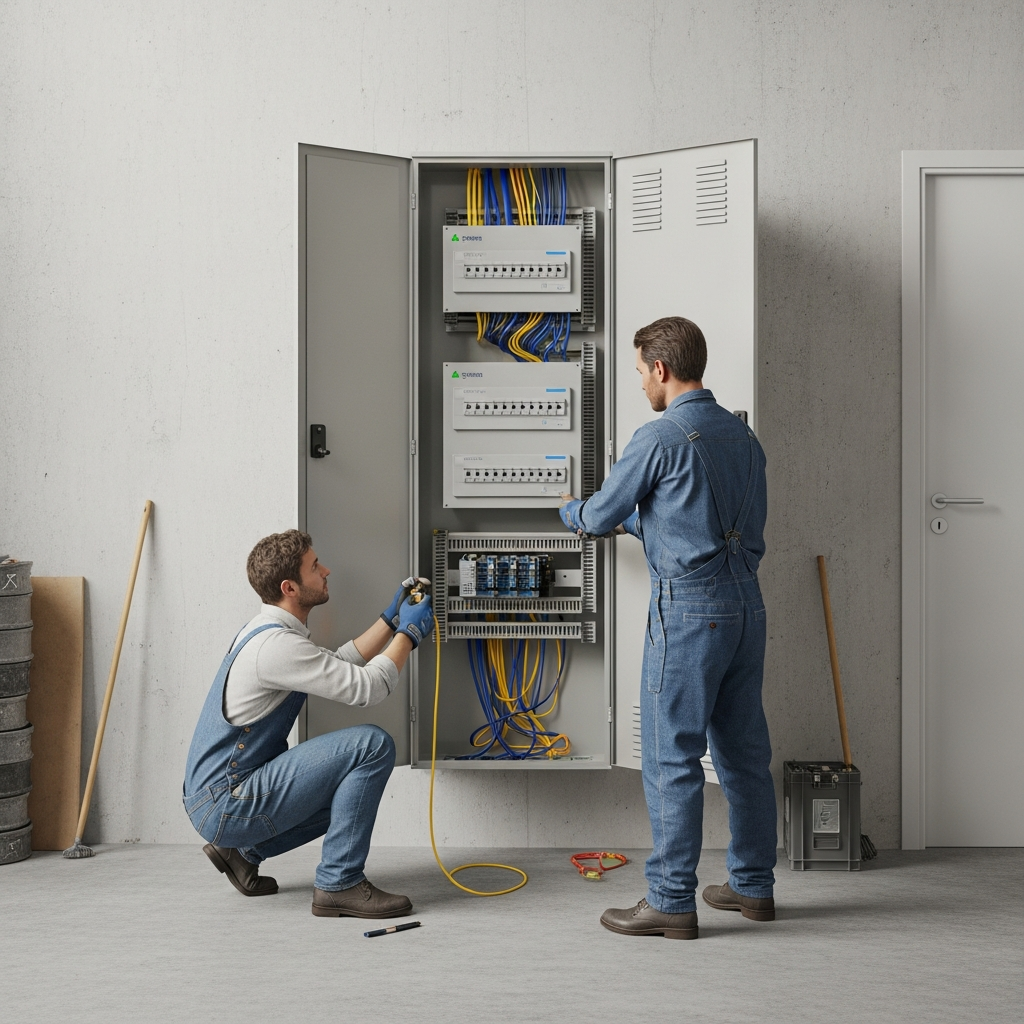
In a commercial property that usually shows up as one suite running fine while another keeps losing equipment mid-day. Honestly, most landlords I talk to don’t realize a tenant change is also an electrical change until something gets warm or a breaker starts nuisance tripping. A proper commercial panel upgrade reworks the capacity, the breaker layout and the feeder sizing around the actual tenants in the building today, not the ones who signed leases twenty years ago.
If three new tenants just moved in, the panel deserves a second look before they do.
steelcityelectricfl.com/commercial panel upgrade