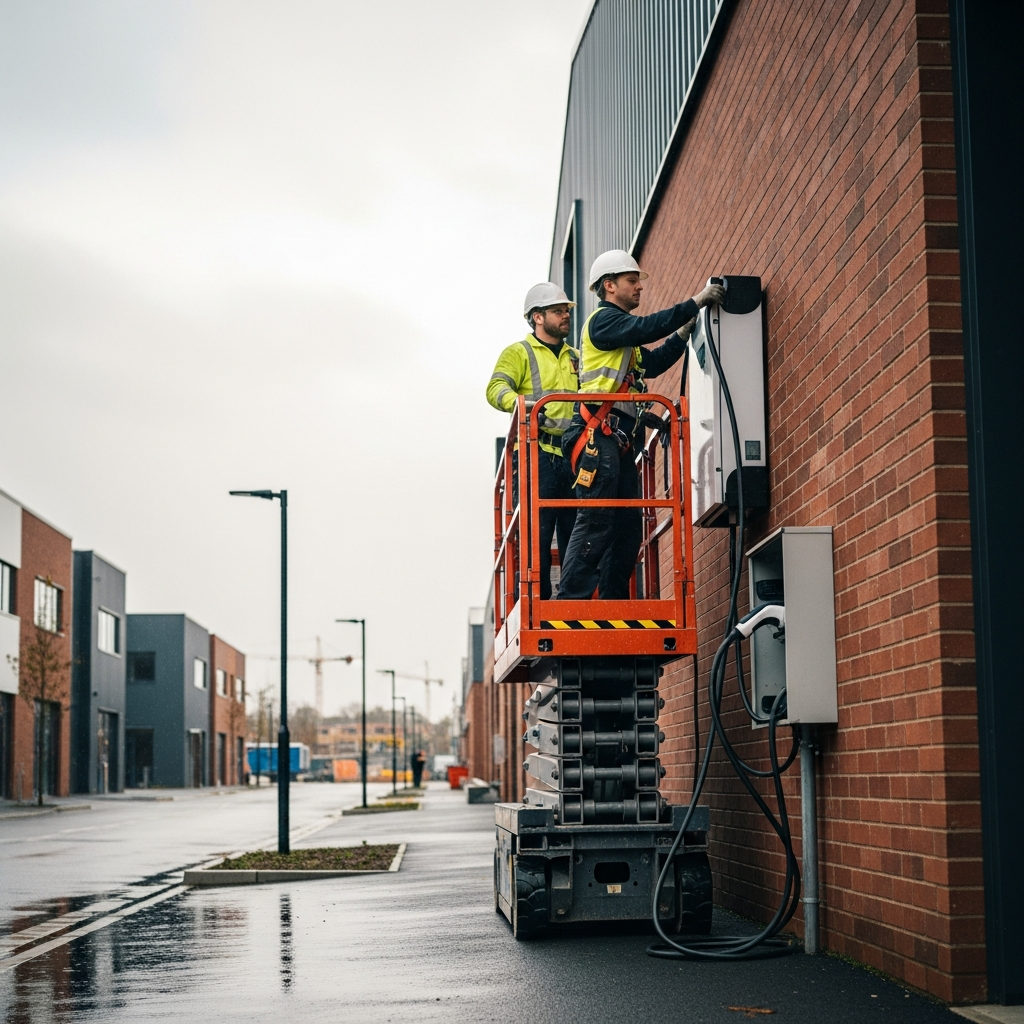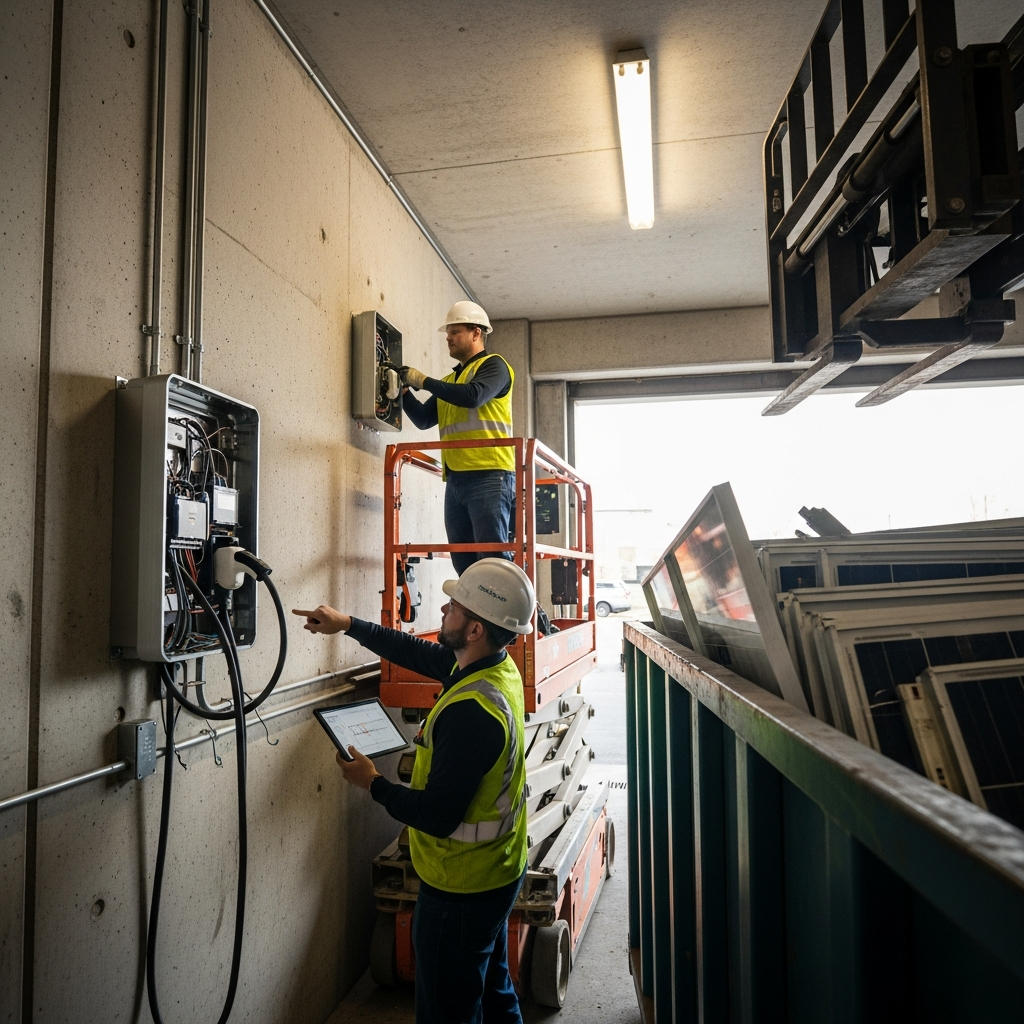
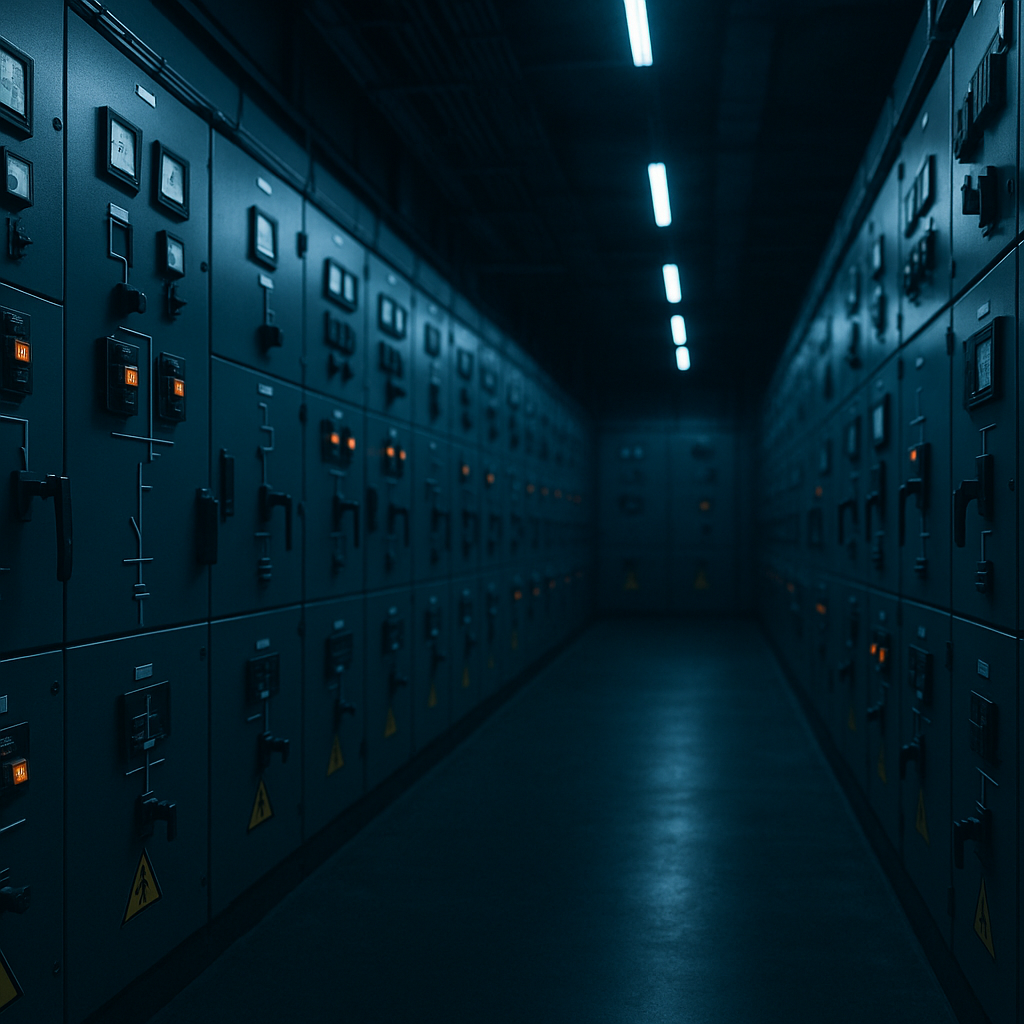
A single extended outage can shut down more than the lights—it can freeze operations, damage equipment, spoil inventory, disrupt security, and leave a business scrambling in the dark.
If you’re not preparing for an “energy lockdown,” you’re trusting luck with revenue, safety, and uptime.
For commercial buildings, readiness starts with knowing what absolutely must stay powered: servers, refrigeration, access control, fire alarms, emergency lighting, communications, and critical production equipment. If you haven’t mapped your essential loads, tested backup power, or checked transfer switch performance, you may have a backup system that fails when it matters most.
Next, look at your electrical infrastructure. Aging panels, overloaded circuits, poor labeling, and neglected maintenance turn a manageable outage into a full operational crisis. Surge protection matters too—power doesn’t just go out, it often comes back dirty, with voltage swings that can damage sensitive systems.
Don’t overlook the basics: fuel supply for generators, battery life in emergency lighting, reset procedures for key equipment, and a clear plan for who does what when the power drops. Readiness is not just hardware—it’s a process.
For homes, the same principle applies on a smaller scale: protect refrigeration, medical devices, internet access, and safe lighting.
The real danger isn’t just losing power. It’s discovering too late that your building was never ready to keep working without it.
steelcityelectricfl.com/commercial-generator-installation-blog